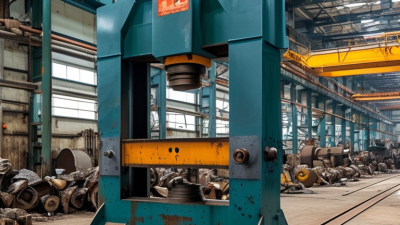
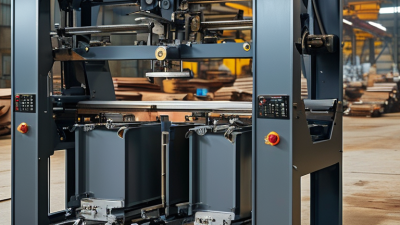
China Best Alligator Shear Types and Their Applications?
Alligator Shears are essential tools in metal recycling and fabrication industries. These machines are known for their powerful cutting capabilities. In China, various types of Alligator Shears cater to different applications. Their performance can significantly impact productivity and efficiency.
In industrial settings, the choice of Alligator Shear affects operational outcomes. Some models are better suited for heavy-duty tasks, while others excel in lighter operations. It’s vital to choose the right model based on specific needs. The flexibility of these machines allows users to cut various materials, including scrap metal and thick plate steel. However, the selection process can be overwhelming due to the numerous options available.
Choosing an Alligator Shear requires careful consideration of both functionality and reliability. Users must assess their unique requirements and the machine's capabilities. Mistakes can lead to inefficiencies and increased costs. It’s important to weigh all factors before making a decision. Hence, understanding the types and applications of Alligator Shears is crucial for anyone involved in metal handling or recycling.
Overview of Alligator Shears in China
Alligator shears are essential tools in various industries. In China, these machines are widely used for metal cutting and recycling. Their compact design offers versatility in tight spaces. Operators appreciate how quickly these shears can process scrap materials. They deliver precise cuts, crucial for maintaining quality in fabrication.
Different types of alligator shears are available. Some are manually operated, while others are hydraulic. The hydraulic models often provide more power. Users can select shears based on their specific needs. However, it's important to acknowledge that the skill of the operator directly affects the performance of these machines. An inexperienced operator might struggle to achieve the desired results.
Furthermore, alligator shears require regular maintenance for optimal performance. Neglecting this aspect can lead to inefficiencies. Operators must be aware of wear and tear signs. Ignoring these can result in more significant issues later. The learning curve is steep for new users. Investing in training can pay off. The right approach will lead to increased productivity and safety.
Types of Alligator Shears Available in China
Alligator shears are essential tools in various industries, particularly in metal recycling and construction. In China, several types cater to different applications. Mechanical alligator shears are widely used due to their ease of operation and efficiency. They often feature a powerful hydraulic system, enabling them to cut through thick materials with precision. According to industry reports, the demand for such equipment has surged by nearly 15% annually, reflecting the growing steel recycling sector.
Another prominent type is the hydraulic alligator shear. These shears are known for their high cutting speed and safety features. Hydraulic shears are suitable for processing high-strength materials. Recent studies indicate that hydraulic models account for about 60% of the market share in China, showcasing their popularity among manufacturers. Users appreciate how these tools reduce waste and maximize productivity.
Despite the advancements, challenges remain. For instance, the initial investment for quality alligator shears can be sizable. Maintenance also requires skilled technicians to ensure optimal performance. Many users report this as a barrier to entry, particularly for small-scale operations. Balancing cost and efficiency remains a critical issue in the market.
Applications of Alligator Shears in Various Industries
Alligator shears serve critical roles across various industries. They are commonly used in recycling and metalworking sectors. These powerful machines cut materials like scrap metal with precision. In recycling yards, they streamline the process of breaking down large metal pieces. Efficiency is vital here, and alligator shears deliver just that.
In the construction industry, alligator shears help in handling metal waste. By simplifying the cutting process, they save time and labor costs. Operators love the ease of use, enhancing workplace safety. However, training is essential. Improper handling can lead to accidents or inefficiencies.
Another key application is the manufacturing sector. Alligator shears allow for quick adjustments in production lines. They cut sheet metals quickly, which is crucial for assembly. Yet, businesses must invest in maintenance. Neglecting this may reduce machine lifespan and effectiveness. Even in advanced setups, consistent performance relies on attention to detail.
Key Features and Specifications of Chinese Alligator Shears
Chinese alligator shears are notable for their versatility and efficiency in metal cutting. These machines are commonly used in manufacturing settings for tasks like shearing metal sheets and cutting bars. The design is robust, allowing for heavy-duty applications. They can handle various types of materials, including stainless steel, aluminum, and copper. Users appreciate the adjustable cutting speed that accommodates different tasks.
Key features of alligator shears include the blade length, cutting capacity, and overall machine weight. Typically, blade lengths vary from 12 to 20 inches. The cutting capacity can range from 1/8 inch to 1 inch in thickness, making them suitable for a range of projects. Safety features such as foot pedals and emergency stops are common. However, some operators have pointed out that the setup process can be complex and time-consuming. It's crucial to ensure that users are well-trained to maximize the machine's capabilities.
Specifications might differ slightly among models, impacting performance. Users should pay attention to the shear's hydraulic system. A high-quality hydraulic system ensures consistent cutting force, which is vital for precision. Some operators note that regular maintenance is required to keep the shear in optimal condition. This can sometimes be overlooked, leading to diminished performance over time. Investing in proper training and maintenance routines will ultimately enhance the machine's lifespan.
Maintenance and Safety Tips for Alligator Shears Usage
Maintaining alligator shears is essential for
safety and efficiency in metalworking or recycling industries.
Proper maintenance can reduce accidents significantly. According to industry reports,
irregular upkeep can lead to a 20% increase in operational hazards.
Daily checks on blade sharpness and mechanical components can prevent this. Keep a close eye on
lubrication; lack of it can lead to premature wear.
Workers need to understand the correct operational techniques. Improper use of alligator shears can
cause injuries. It's critical to follow safety protocols, such as wearing appropriate personal protective
equipment (PPE). Regular training and updates on safety measures ensure staff are well informed.
Nearly 30% of workplace accidents occur due to
inadequate training and lack of awareness.
Regular inspection of safety features is often overlooked.
Users should ensure that safety guards are functional and in place. Additionally, clean the shear after
each use to prevent rust. Creating a checklist can help workers stay compliant with safety standards.
Reflecting on past incidents can highlight the importance of these protocols. Industry data suggests
that organizations with proactive maintenance plans
experience 50% fewer accidents.