How to Choose the Right Scrap Metal Press Machine for Your Business?
When selecting a Scrap Metal Press Machine, the decision can be daunting. With numerous options available, making the right choice is crucial for your business. A suitable machine not only enhances efficiency but also maximizes profitability. Each business has unique needs, which means there's no one-size-fits-all solution.
Consider the machine's specifications. Weight capacity and compression ratio are essential factors to evaluate. Reliable manufacturers often provide detailed information on these features. It is wise to research and compare different models. Seek out reviews and expert opinions to guide your decision-making process.
Ultimately, investing in a Scrap Metal Press Machine is a significant commitment. It's essential to reflect on the machine’s long-term value. Think about maintenance and potential upgrades down the line. Balancing initial cost with future performance can shape your operational success.
Factors to Consider When Selecting a Scrap Metal Press Machine
When selecting a scrap metal press machine, various factors should influence your decision.
Power capacity is vital. Understand the types of materials you will process.
Evaluate the thickness and density of the scrap. This will help you choose a machine with adequate power.
Consider the machine's size too. Larger machines can handle more scrap but occupy more space.
Think about your workshop layout before committing.
Budget is another critical factor.
High-quality machines often come at a premium.
But cheaper options may require more maintenance and repairs.
Research the long-term costs to avoid surprises.
Look into warranties and customer support as well.
A reliable service provider will make a difference in your operation.
Tips: Pay attention to energy efficiency. Machines that consume less power may save costs in the long run.
Always check user reviews and testimonials. They provide insights into the machine’s performance and durability.
Remember, a thorough assessment of these factors can lead to better investment choices.
Your business will value a well-chosen machine now and in the future.
Understanding Different Types of Scrap Metal Press Machines Available
When selecting a scrap metal press machine, understanding the types available is crucial. Different machines cater to various needs. For instance,
hydraulic presses are known for their versatility and efficiency. They handle a wide range of materials, making them suitable for different recycling operations.
According to industry reports, around 60% of scrap metal processors utilize hydraulic systems due to their reliability in high-volume operations.
Another option is the mechanical press. These machines are faster but might lack the power for harder metals. They operate at high speeds, appealing to businesses focused on quick processing times.
However, they often require more maintenance. Some studies indicate that mechanical presses have a lower operational cost in the long run, despite their initial setup price being higher.
Pneumatic presses are another alternative, using compressed air for operation. These machines are less common but offer specific benefits for lighter metals.
Businesses need to assess their material types when deciding. Each machine type comes with its advantages and drawbacks, showing that the right choice varies depending on operational goals and material characteristics.
Understanding these details can guide businesses toward an informed purchase decision.
Evaluating the Capacity and Efficiency Metrics of Scrap Metal Press Machines
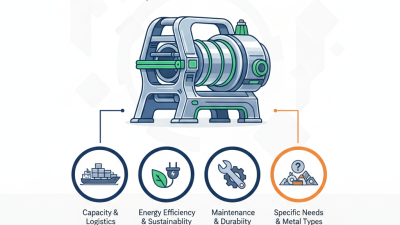
When selecting a scrap metal press machine, capacity and efficiency are key factors. The capacity indicates the volume of material the machine can process in a given time. A high-capacity machine can significantly reduce operational costs. However, doesn't always translate to efficiency. An oversized machine may lead to energy waste.
Efficiency metrics include the energy consumption and the compressing speed. A machine with high compressing speed can process scrap metal quickly. It’s crucial to strike a balance. If a machine operates too fast, it might compromise the quality of the end product. Evaluating different models based on real-world tests is advised. Users should seek feedback from industry peers.
Consideration of your specific processing needs is also vital. Some businesses may benefit from machines that offer versatility, handling different types of metal materials. Others might need machines tailored for specific tasks. Ignoring this can lead to poor equipment choices, and even losses. Analyze your workflow to determine the best fit for your operations.
Capacity and Efficiency Metrics of Scrap Metal Press Machines
Analyzing Cost-Effectiveness and Return on Investment in Press Machines
When analyzing the cost-effectiveness and return on investment (ROI) of scrap metal press machines, several factors come into play. Understanding the initial purchase price is crucial. However, consider the long-term operational costs. Maintenance, energy consumption, and manpower all influence your bottom line. Selecting a machine that maximizes efficiency can significantly reduce these ongoing expenses.
ROI calculations should reflect more than just financial gains. Think about the machine's productivity. A more efficient press can handle larger volumes with less downtime. This enhances your production capacity. Additionally, consider the market demand for recycled materials. If prices fluctuate, ensure your machine can adapt to changes in production levels. This flexibility can safeguard your investment against market volatility.
Reflecting on these aspects is vital. Every machine will have its strengths and weaknesses. It's important to evaluate what features align with your business goals. Conducting a thorough analysis can reveal surprising insights. You might find that a cheaper initial option might lead to higher long-term costs. Emphasizing the right metrics can help you make a well-informed decision.
Exploring Industry Standards and Compliance for Scrap Metal Equipment
Choosing the right scrap metal press machine requires a deep understanding of industry standards and compliance regulations. The scrap metal industry is highly regulated to ensure safety and efficiency. For instance, the Occupational Safety and Health Administration (OSHA) sets guidelines that manufacturers must adhere to. These regulations focus on worker safety and equipment reliability. Non-compliance can lead to significant fines and even shutdowns. A thorough knowledge of these standards is essential.
Furthermore, the machinery must meet environmental compliance criteria. The Environmental Protection Agency (EPA) outlines rules for emissions and waste management. For example, in 2022, it was reported that nearly 80% of scrap metal processors faced challenges in meeting these requirements. This highlights the importance of choosing machines that not only enhance productivity but also align with environmental standards.
It's crucial to evaluate the features of the press machines against these regulations. When assessing options, consider the durability and adaptability of the equipment. Not all machines perform equally when subjected to rigorous compliance checks. Understanding the nuances of these industry standards can prevent costly mistakes. This diligence not only fosters compliance but enhances operational efficiency in a competitive market.