Essential Alligator Shear Parts Tips for Global Buyers
When considering Alligator Shear Parts, buyers must navigate a complex landscape. Understanding these components is essential for maximizing efficiency in scrap processing and metal recycling operations. Quality parts can significantly impact machine performance. However, not all suppliers offer the same reliability.
Global buyers often face challenges. Some may overlook the importance of sourcing authentic parts. This might lead to unexpected downtime and costly repairs. Experience shows that investing in high-quality Alligator Shear Parts pays off in the long run.
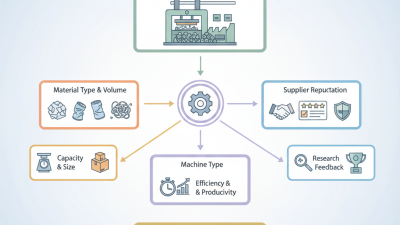
It is crucial to check the manufacturer's reputation. Reviews and testimonials can provide insight into their reliability. Additionally, having a knowledgeable support team is invaluable. They can guide you in making informed decisions. However, buyers should remain cautious and conduct thorough research before purchasing.
Understanding Alligator Shears: Key Features and Components
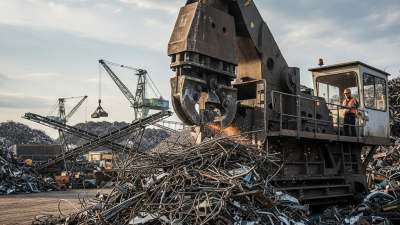
Alligator shears are vital in industrial processing. They efficiently cut through materials like metal and plastic. Understanding their key features is essential for buyers globally. A comprehensive report estimates that the alligator shear market has grown by approximately 5% annually. This growth is driven by increasing demand in recycling and manufacturing sectors.
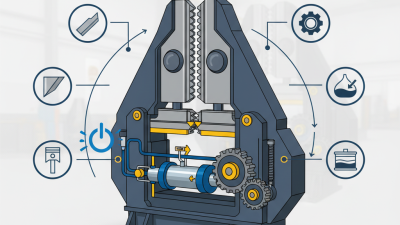
Key components of alligator shears include the blade, hydraulic system, and frame. The blade quality directly influences cutting efficiency. A dull or improperly aligned blade can lead to increased wear and tear. Buyers should ensure they select shears with high-grade materials. Hydraulics also play a significant role in performance. A robust hydraulic system ensures consistent pressure and minimizes downtime.
Beyond components, the operational environment impacts shear performance. Factors like temperature and humidity can affect machinery efficiency. Regular maintenance is crucial yet often overlooked. Neglecting it can cause costly repairs. Thus, understanding these elements is key for informed purchasing decisions.
Essential Alligator Shear Parts Tips for Global Buyers
| Component |
Material |
Application |
Maintenance Tips |
| Blade |
High Carbon Steel |
Cutting Metals |
Regular sharpening and inspection for wear |
| Handle |
Aluminum Alloy |
User Control |
Check for looseness and secure fittings |
| Pivot Point |
Stainless Steel |
Joint Integrity |
Lubricate regularly to ensure smooth movement |
| Base Plate |
Cast Iron |
Stability during operation |
Inspect for cracks and ensure proper alignment |
| Blade Guard |
Plastic |
Safety |
Ensure it's intact to protect user from blade |
Choosing Quality Alligator Shear Parts: What to Look For
When selecting alligator shear parts, quality matters deeply. Pay attention to the materials used. Sturdy steel parts will last longer than softer alternatives. Look for components that resist wear and tear. This enhances the overall performance of the shear, minimizing downtime.
Inspect the craftsmanship as well. Precision in manufacturing ensures that parts fit together seamlessly. Poorly made parts can lead to malfunction. Check the seams and finishes. They should be smooth and consistent. If something feels off, dig deeper.
Finally, don't overlook supplier reputation. Research their history and customer feedback. Reliable suppliers often provide excellent after-sales support. This can be invaluable when you need advice on maintenance or repairs. Always ask for warranties. Quality parts should come with guarantees. If they don’t, proceed with caution.
Essential Alligator Shear Parts Quality Comparison
Essential Maintenance Tips for Alligator Shear Longevity
Alligator shears are crucial in recycling and metal processing. Proper maintenance ensures their longevity and reliable performance. Regular inspections can identify worn parts early.
Checking hydraulic systems, for instance, should be routine. Leaks can lead to larger issues.
Lubrication is essential for smooth operation. Use high-quality lubricants to prevent corrosion. Keeping moving parts clean is also vital. Dirt and debris can shorten the lifespan of the machine.
Ensure that all filters are replaced regularly to maintain efficiency.
User training is often overlooked. Operators should understand how to use the equipment safely. Misuse can lead to breakdowns. Regular refresher courses can mitigate this risk.
Address any operational inefficiencies promptly. This proactive approach can save time and money in the long run.
Comparison of Global Suppliers for Alligator Shear Parts
When purchasing alligator shear parts, global buyers often face various challenges. Comparing suppliers is crucial for making informed decisions. Many factors come into play, such as quality, pricing, and shipping. Different regions may have unique advantages or disadvantages in production and sourcing capabilities.
For instance, Asian suppliers frequently offer competitive prices. However, quality control can vary significantly. Buyers may find some parts lacking durability. In contrast, European suppliers generally emphasize precision engineering. They provide reliable parts but at a higher cost. It's essential for buyers to weigh these factors carefully.
Communication plays a vital role in this process. Not all suppliers offer prompt responses. Delays can lead to frustration. Buyers should seek suppliers who prioritize clear and timely communication. Building a robust relationship with trusted suppliers enhances the reliability of the parts sourced. By being diligent in research, buyers can navigate these complexities effectively.
Navigating Regulations and Standards for Alligator Shears Worldwide
Navigating global regulations for alligator shears can be complex. Each country sets specific safety and performance standards. For example, the International Organization for Standardization (ISO) outlines distinct protocols that manufacturers must follow. Compliance with ISO standards enhances product reliability and marketability.
In Europe, the Machinery Directive ensures all equipment, including shears, meets essential health and safety requirements. Recent data from a manufacturing industry report highlights that 65% of equipment failures stem from non-compliance with these regulations. This statistic underscores the importance of understanding standards to prevent costly mistakes.
Buyers must also be aware of local regulations that can differ significantly. For instance, the requirements in the U.S. may not align with those in Asia or Africa. This disparity can lead to unintentional violations, affecting supply chains and operational efficiency. Awareness of these nuances is crucial. Global buyers should invest time in research and consultation to ensure compliance.