How to Choose the Right Scrap Baling Press Machine for Your Business?
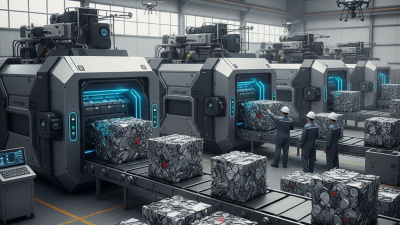
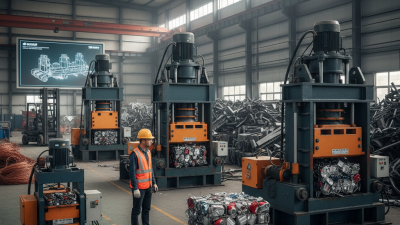
Choosing the right Scrap Baling Press Machine is crucial for any business dealing with waste management. This equipment can significantly impact efficiency and profitability. The right machine can streamline operations and increase productivity. However, the selection process is often complicated by varying needs and available options.
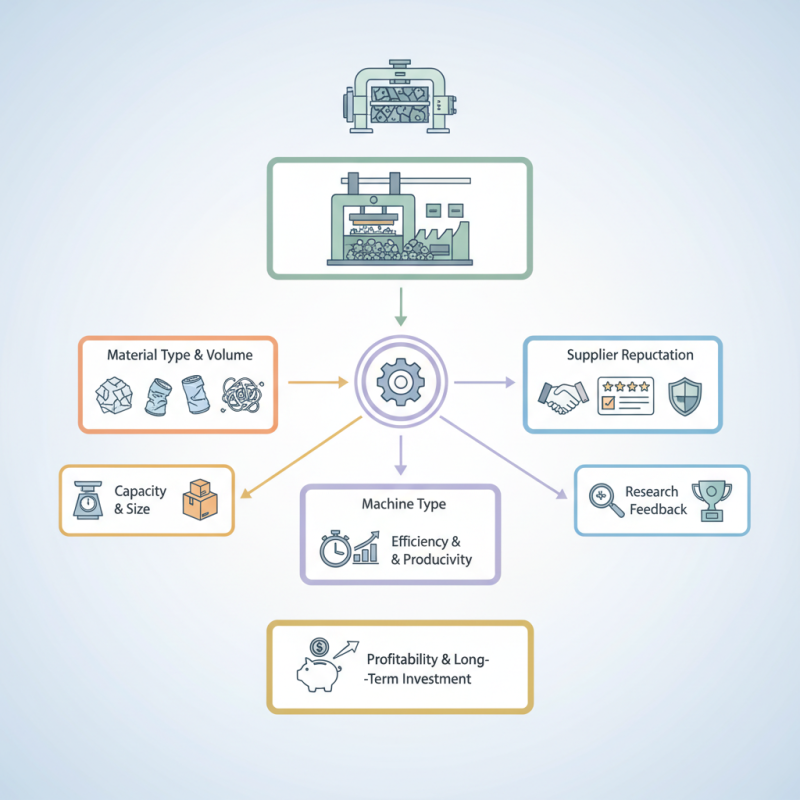
When considering a Scrap Baling Press Machine, assess your specific requirements. The machine's capacity, size, and type are vital factors. Each business is unique, and what works for one may not suit another. Understanding your material type and volume is essential. Not paying attention to these details may lead to regrettable decisions.
Also, consider the supplier's reputation. Reliable manufacturers provide high-quality machines and support. It's beneficial to research customer reviews and industry feedback. This effort can save you from costly mistakes. Therefore, investing time in the selection process pays off in the long run.
Understanding Scrap Baling Press Machines: Key Features and Types
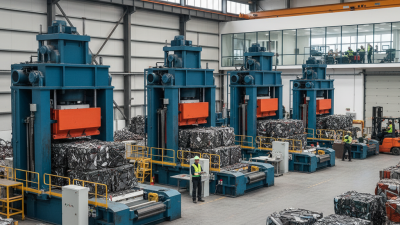
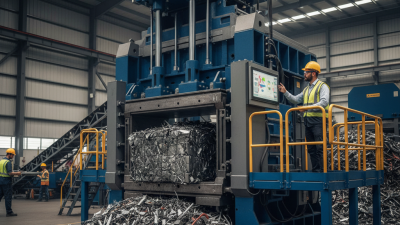
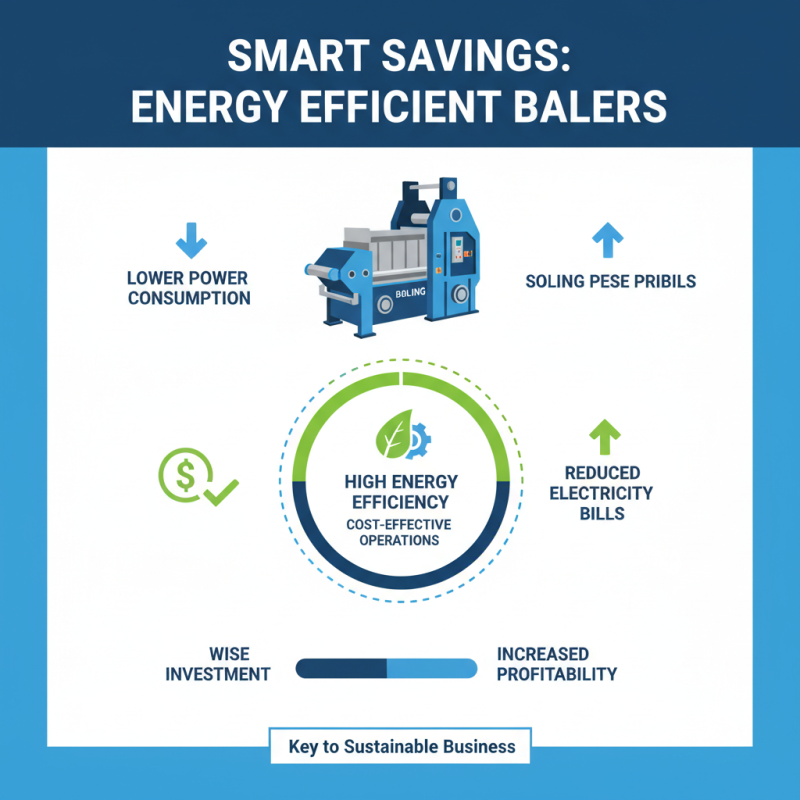
When selecting a scrap baling press machine, understanding its key features and types is crucial. These machines are designed to compact waste materials into bales for easier transportation and storage. Key features often include hydraulic systems, bale size adjustments, and energy efficiency. According to industry reports, an efficient machine can reduce energy consumption by up to 30%, leading to significant savings for businesses.
There are several types of scrap baling press machines. Horizontal balers are commonly used for large volumes of materials like cardboard and plastics. Vertical balers, on the other hand, are ideal for smaller operations. A recent survey indicated that about 60% of recycling facilities now prefer horizontal models due to their higher throughput. However, businesses must consider their specific needs before investing. Some facilities may find vertical balers more suitable despite their lower output.
Maintaining a baling press machine is also essential for longevity. Neglecting regular maintenance can lead to costly breakdowns. Data shows that businesses that conduct routine checks report 25% fewer operational issues. Understanding the nuances of machine choices in the scrap industry empowers operators to make informed decisions, ultimately enhancing efficiency and profitability in waste management.
How to Choose the Right Scrap Baling Press Machine for Your Business?
| Feature |
Description |
Type |
Capacity (Tons) |
Application |
| Hydraulic Power |
Uses hydraulic force for efficient compression. |
Horizontal |
10-50 |
Metal Recycling |
| Automatic Functionality |
Automated operation for reduced labor costs. |
Vertical |
5-30 |
Plastic Waste |
| Compression Ratio |
Higher ratios lead to denser bales. |
Channel |
20-60 |
Cardboard and Paper |
| Safety Features |
Emergency stops and overload protection. |
Horizontal |
15-80 |
General Waste |
| Ease of Use |
User-friendly control panels. |
Vertical |
10-25 |
Textile Recycling |
Assessing Your Business Needs for Scrap Baling Capacity and Volume
Assessing your business needs for scrap baling capacity and volume is critical. Different industries produce varying amounts of scrap. Understanding your output will guide your equipment choice. If your business generates high volumes of scrap, a machine with significant baling capacity is essential. This ensures efficient processing, saving time and increasing productivity. Conversely, a smaller operation may require a less intensive machine.
Consider the type of materials you handle. Different materials have unique properties and densities. This affects how tightly they can be baled and how much space they occupy. If your scrap includes bulkier items, your machine should be robust enough to handle them. Reflect on your future growth as well. Will your operations expand? Investing in a machine that meets projected needs can prevent future issues.
Evaluate your facility's space. A large, high-capacity machine needs more room for operation and maintenance. Smaller machines might fit tighter spaces but could limit your output. Balancing capacity and space is a common challenge. Also, think about your budget constraints. High-capacity machines can be costly but may yield savings in the long run. Be wary of overlooking important factors in this decision process. Each aspect is vital for a successful baling operation.
Scrap Baling Press Machine Capacity Analysis
This bar chart illustrates the availability of scrap baling press machines based on their capacity ranges, highlighting the distribution among low to very high capacity options. Understanding these metrics will help businesses assess their needs and make informed decisions when selecting a baling press machine.
Analyzing Market Trends and ROI for Scrap Baling Press Investments
When considering investments in scrap baling press machines, analyzing market trends and return on investment (ROI) is crucial. Global demand for recycled materials continues to rise, driven by sustainability efforts. According to a report by Research and Markets, the global scrap metal recycling market is projected to reach $134.5 billion by 2026. This highlights a growing opportunity for businesses willing to invest in efficient baling machinery.
Tips: Look for machines that offer durability and low maintenance costs. These features can significantly impact your long-term savings.
Understanding your local market is equally important. For instance, regions with stricter recycling regulations tend to have higher demand for baled scrap. A business strategy that aligns with these regulations can boost profitability. However, not all machines guarantee efficiency or ease of use. Careful evaluation of operational performance is essential before making a purchase.
Tips: Consider the equipment’s energy consumption. Efficient machines can lead to lower utility bills, enhancing overall ROI.
Investment in a baling press should consider not only the initial cost but also the operational costs over time. Continuous monitoring of market conditions can help adapt your strategy. It's important to reflect on the machine’s performance regularly and be ready to pivot if it doesn’t meet your expectations.
Choosing the Right Manufacturer: Quality, Support, and Warranty Considerations
When selecting a scrap baling press machine, the choice of manufacturer plays a crucial role. Quality should be the foremost consideration. In the recycling industry, equipment reliability directly impacts productivity. According to a report by Research and Markets, equipment downtime can cost businesses up to $250,000 per year. Therefore, a machine built with high-quality materials is essential for long-term use.
Support is equally important. Many manufacturers claim to provide customer service, but true support involves prompt response times and extensive knowledge. A study by the International Recycling Bureau indicates that 70% of industry professionals prefer manufacturers that offer comprehensive training programs. It reflects a commitment to ensuring that their equipment is used effectively and safely.
Warranties also deserve careful attention. A longer warranty can indicate a manufacturer’s confidence in their product. However, it’s crucial to read the fine print. Some warranties cover only parts, not labor, potentially leading to unexpected costs. Not all businesses have the time to evaluate all these factors. Taking shortcuts can result in purchasing subpar machines that may not meet operational needs.