



Powering Brazil's Recycling Efficiency: How Metal Balers Streamline Scrap Handling and Processing
In Brazil's rapidly industrializing sectors—from automotive dismantling in São Paulo to aluminum smelting in Minas Gerais—Metal Balers are indispensable tools. These machines compress loose scrap metal into dense, uniform bales that are easier to handle, transport, and melt down. Whether you operate a recycling plant, a foundry, or a port logistics terminal, integrating a metal baler into your workflow boosts operational efficiency, safety, and profitability.
What Is a Metal Baler and Why Does It Matter?
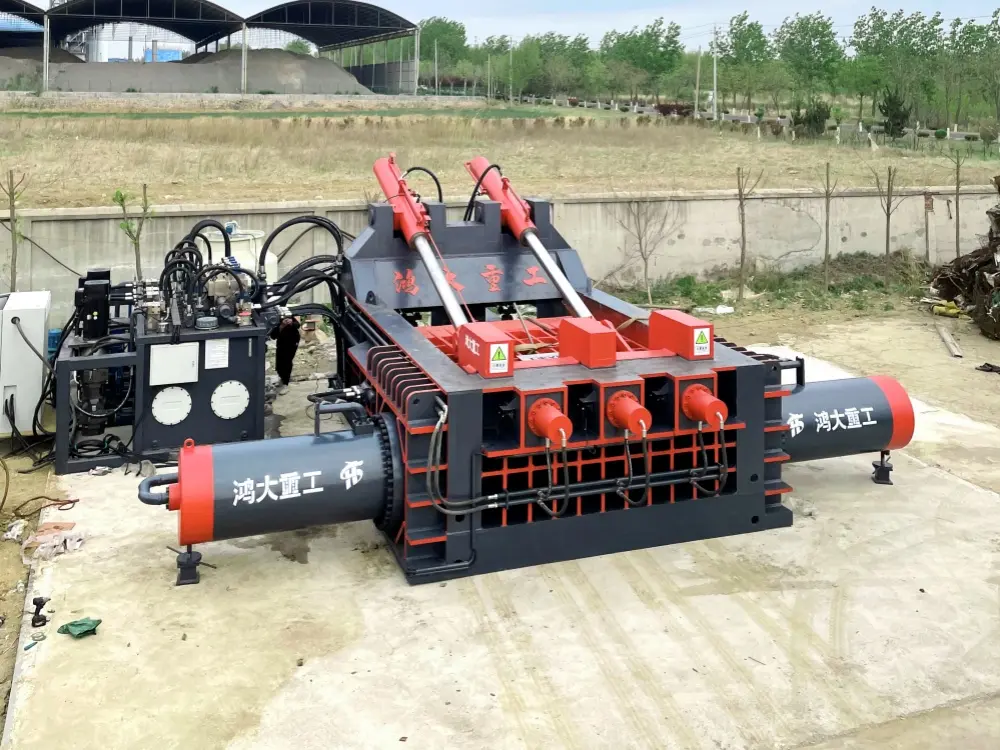
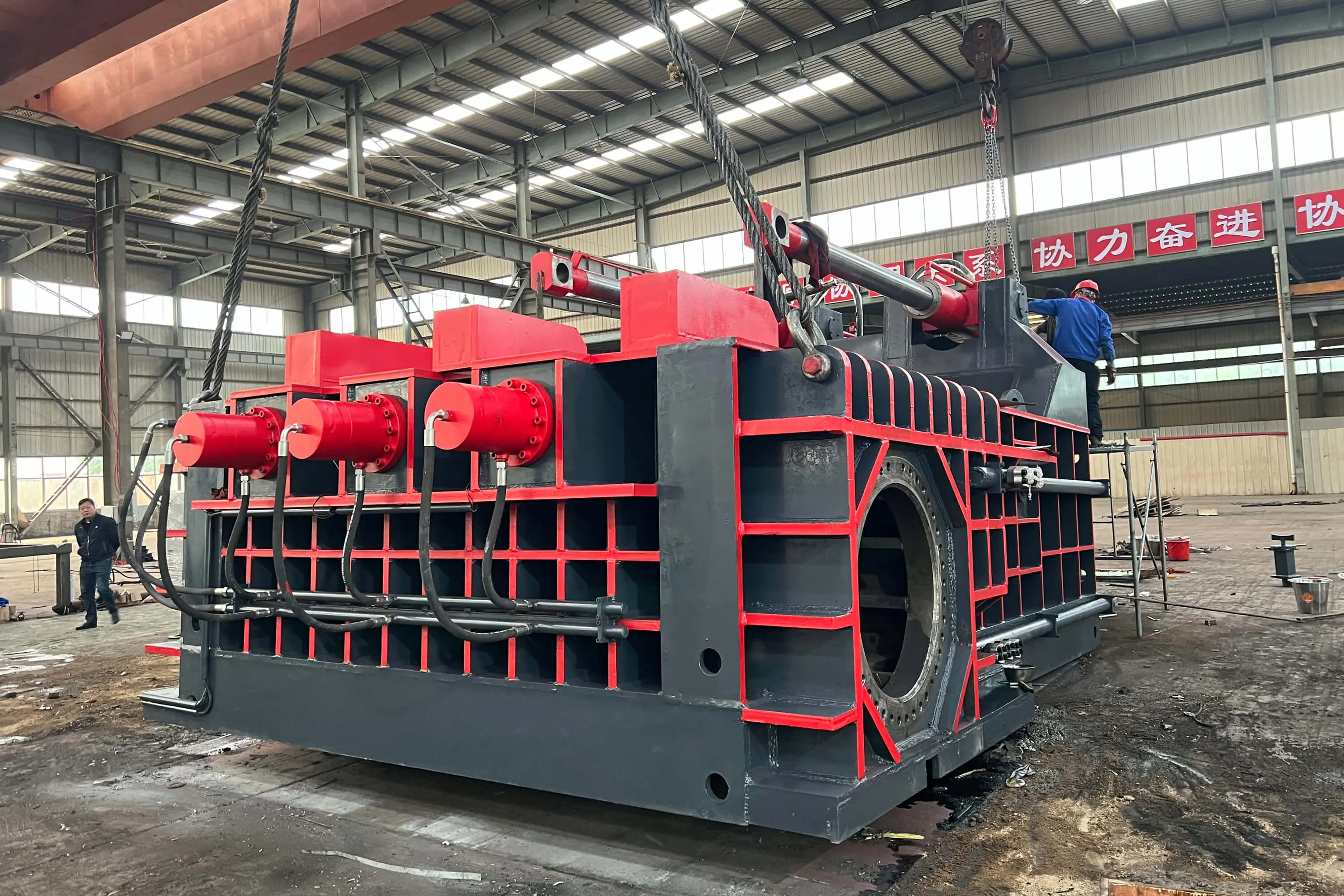
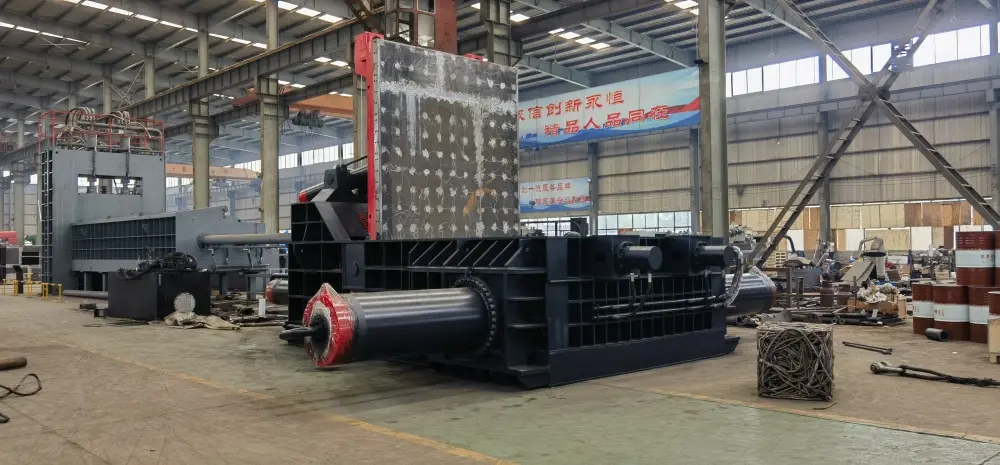
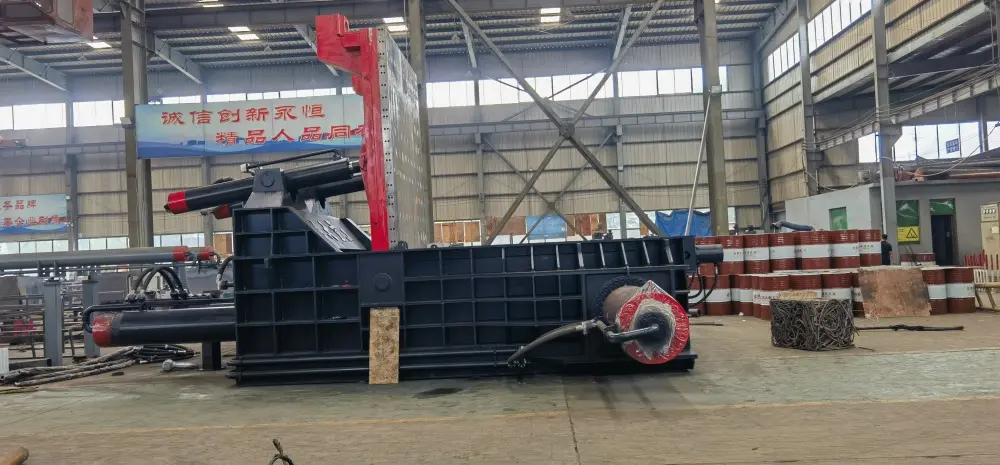
A metal baler is a hydraulic machine that compacts various types of scrap metal into tightly packed bales. These bales can be rectangular, cylindrical, or square, depending on the application. In Brazil, where scrap export volumes and internal consumption are rising, metal balers help streamline operations across a wide range of sectors:
Reduce storage and transport costs
Prepare scrap for melting or resale
Improve workplace safety
Enhance recycling profitability
Whether you’re managing steel beams at a foundry or aluminum sheets at a fabrication plant, metal balers offer practical advantages for heavy-duty operations.
How Metal Balers Work: Step-by-Step Process
Modern Hydraulic Metal Balers typically follow this workflow:
Feeding Scrap Metal
Operators load materials into the baling chamber manually, with a grab, or via a conveyor.
Compression Sequence
Hydraulic rams comPress Scrap from three directions: side, top, and front.
Forming the Bale
Scrap is squeezed into a dense, pre-defined shape.
Bale Ejection
A hydraulic door opens or an automatic ejector pushes the bale out.
This fully hydraulic process minimizes manual effort, reduces material spring-back, and ensures consistent bale density.
Industrial Applications in the Brazilian Market
Metal balers serve a wide range of heavy industries in Brazil:
Scrap Metal Recycling Companies
Compress loose ferrous and non-ferrous scrap
Increase container load capacity for export
Enable automated, high-volume sorting
Steel Mills & Foundries
Prepare furnace-ready feedstock
Reduce melting energy consumption
Improve scrap yield and casting quality
Auto Dismantling & ELV Centers
Bale vehicle bodies, frames, and engine blocks
Simplify transport to shredding or smelting lines
Reduce labor and forklift usage
Ports, Yards & Logistics Terminals
Package metal scrap for efficient container loading
Lower shipping costs via compact bales
Improve handling time and site safety
Aluminum Recycling & Extrusion Plants
Compress aluminum offcuts, cans, or profiles
Enhance smelting efficiency with uniform bale density
Reduce oxidation and energy usage during melting
Key Performance Advantages of Modern Metal Balers
Brazilian manufacturers and recyclers face rising labor costs and logistics challenges. A well-engineered metal baler can make all the difference.
1. High Efficiency
Fast cycle times with programmable control
Integrated conveyors for automatic feeding
Capable of processing up to 8–12 tons per hour
2. Versatility
Handles a wide variety of metals:
▸ Steel
▸ Copper
▸ Aluminum
▸ Stainless
▸ Light iron
3. Durability & Low Maintenance
Wear-resistant blades and plates
Industrial-grade hydraulics with high working pressure
Simple service points and diagnostics
4. Space & Cost Savings
Reduce scrap volume by up to 85%
Lower warehouse footprint for storage
Cut fuel and transport costs by minimizing haul weight
Customizing the Right Metal Baler for Your Business
When choosing a metal baler for your Brazilian facility, consider:
Bale Size & Output Requirements
Choose based on containerization standards and melt furnace size.
Material Types
Some balers are optimized for aluminum, while others handle heavy steel.
Automation Level
Fully automatic balers are ideal for high-throughput operations.
Discharge Type
Push-out, side-eject, or turn-out mechanisms depend on floor space and workflow.
Local Support
Ensure the manufacturer offers Portuguese-language manuals, training, and parts availability in Brazil.
Real-World Example: Automotive Scrap Plant in Paraná
A recycling firm in Curitiba, Paraná, installed a 160-ton horizontal metal baler to process car shells and engine blocks. Results within 6 months:
30% increase in processing volume
Fuel costs reduced by 25% due to compact bale logistics
99% uptime with minimal maintenance
This investment helped the company secure contracts with two foundries and boosted overall profitability.
Metal Balers Are the Backbone of Efficient Scrap Management
From São Paulo’s recycling yards to Manaus’ aluminum plants, metal balers are helping Brazilian industries become more competitive, sustainable, and efficient. These machines not only reduce operating costs but also support circular economy goals. If your business handles large volumes of scrap, a metal baler is not just an upgrade—it’s a strategic asset.
Frequently Asked Questions (FAQ)
Q1: What types of metal can be baled?
A: Metal balers can compress a variety of materials including steel, copper, aluminum, brass, and stainless steel. Ensure your baler is rated for your specific scrap type.
Q2: Do metal balers require a large space?
A: No. Horizontal and vertical models are available in different sizes. Compact balers are ideal for urban or limited-space operations.
Q3: How much power does a hydraulic metal baler consume?
A: It varies by model. A 125–160 ton baler may use a 30–45 kW motor. Models can be tailored for Brazil’s 220V/380V three-phase power supply.
Q4: Can metal balers be integrated into automated lines?
A: Yes. Many balers offer PLC control and can be connected with conveyors, sensors, and remote operation systems for fully automated scrap handling.