How to Use an Alligator Shear for Efficient Metal Cutting?
In the realm of metalworking, efficiency is paramount. The Alligator Shear stands out as a robust tool for metal cutting tasks. Its design facilitates quick and accurate cuts, making it ideal for various projects. Users often appreciate its ability to handle thick materials with ease.
Understanding how to operate an Alligator Shear effectively can enhance your workflow. Safety is essential, so take the time to familiarize yourself with the machine's components. While it may seem straightforward, improper use can lead to injuries or mistakes.
Hand positioning and control over the shear blade are critical. Keeping a steady hand while applying the right amount of pressure can yield cleaner cuts. It can take practice to achieve these results. Embracing the learning curve is part of the journey with an Alligator Shear. Ultimately, mastering this tool helps you become more efficient and confident in your metal cutting tasks.
Understanding Alligator Shears and Their Functionality
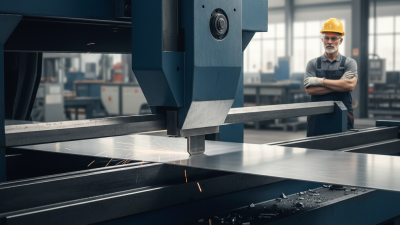
Alligator shears are powerful tools designed for metal cutting. They work by using a scissor-like mechanism. This design allows them to slice through thick metal with precision. Understanding their components is crucial for effective use. The blades, typically made of hardened steel, provide durability. Their robust construction makes them suitable for various cutting tasks.
When using an alligator shear, safety is paramount. Ensure you wear protective gear to prevent accidents. It’s easy to underestimate the force required when cutting. The tool operates with a significant amount of pressure, which can lead to fatigue. Users should familiarize themselves with the machine's operation. Regular maintenance checks on the blades can prevent unexpected failures.
Every work environment poses unique challenges. Sometimes, the truck may stall or produce odd sounds. This could signal the need for adjustment or repairs. It’s vital to remain attentive to these cues. Reflecting on past experiences can improve your technique. Each cut offers a learning opportunity to enhance efficiency.
Choosing the Right Alligator Shear for Your Metal Cutting Needs
Choosing the right alligator shear for metal cutting can significantly enhance your efficiency. When selecting a shear, consider the materials you will be working with. Different shears are designed for various metal thicknesses and types. Evaluate the shear's capacity and ensure it matches your specific needs for optimal performance.
When operating an alligator shear, safety should always come first. Wear appropriate protective gear, including gloves and goggles. Improper handling can lead to accidents. Always inspect the shear for any wear and tear before use. Regular maintenance also prolongs the machine's life.
Tips: Familiarize yourself with the shear’s controls. Understanding how to adjust the cutting speed and blade tension can improve cutting quality. Also, practice cutting scrap material to refine your technique. Each operator may have unique preferences for pressure and positioning, affecting the cut's precision. Pay attention to these details; they matter greatly in achieving clean cuts.
Step-by-Step Guide to Operating an Alligator Shear Safely
Operating an alligator shear requires careful attention to safety. Before starting, ensure you wear appropriate personal protective equipment (PPE), like gloves and safety glasses. This basic step is essential. Do not underestimate the power of metal cutting; it can lead to accidents if safety measures are ignored. Check the workspace for hazards. Remove any loose items that could pose a risk during operation.
When using the shear, always keep your hands clear of the blades. The cutting action is swift and powerful. Feed the metal into the shear gradually, avoiding forceful pushes. Watching the shear’s operation can help you understand how it interacts with the material. Some users report feeling nervous during initial cuts. This is normal and indicates you should work within your comfort zone. Practice on scrap metal before attempting precise cuts.
Maintaining the equipment is crucial for safety and efficiency. Regularly inspect the blades for dullness or damage. A sharp blade will perform better and reduce the risk of injury. Also, consider the placement of the shear in your shop. Ensure it’s on a stable surface, minimizing any risk of movement during use. Reflecting on your technique will help you improve. It’s okay to ask for guidance from more experienced operators.
Best Practices for Maintaining Your Alligator Shear for Longevity
Maintaining an alligator shear is crucial for its performance and longevity. Regular cleaning is essential. After each use, debris can accumulate. Use a soft brush to remove metal shavings and dust. This prevents blockages and ensures a smoother cut.
Lubrication is also key. Apply oil to the moving parts regularly. This reduces friction and wear over time.
Check the blades frequently. Dull or damaged blades can cause uneven cuts. Sharpen or replace them as needed. Ensure the shear is aligned properly, too. Misalignment can lead to more wear and tear. However, it’s easy to overlook these details when you're busy. Create a maintenance schedule to remind yourself.
Lastly, inspect the hydraulic system. Look for leaks or damage. Even small issues can cause major problems. Regular checks will catch these early. Sometimes, we ignore minor signs. But a little attention can prevent costly repairs down the line. Taking these steps will help you achieve consistent, high-quality cuts and extend the life of your shear.
Common Applications of Alligator Shears in Metal Fabrication
Alligator shears are essential tools in metal fabrication. These devices excel in cutting thick materials with precision. Industries often use them for cutting scrap metal, sheet metal, and rebar. According to a report from the Fabricators & Manufacturers Association, around 60% of metal fabricators use shearing machines to improve efficiency. Alligator shears deliver speed and reduce waste in operations.
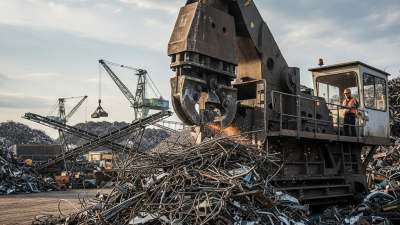
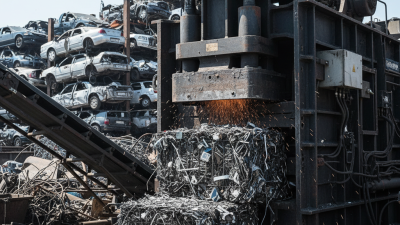
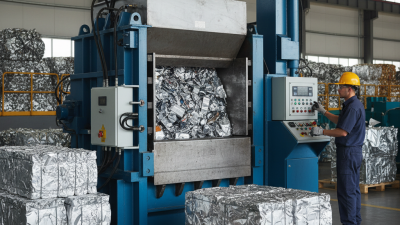
In metal recycling, alligator shears help streamline the processing of various metals. They are effective in reducing large scrap pieces into manageable sizes. With the rise in metal recycling efforts, the need for efficient cutting tools has increased. In 2022, the global metal recycling market reached a value of $330 billion, indicating the growing demand. These shears facilitate quick metal preparation, ensuring minimal downtime during operations.
The application of alligator shears is not limited to recycling. Many fabricators employ them in the construction sector. These tools are used to cut structural components, ensuring they fit precisely on site. Yet, operators must be aware of safety precautions. Improper use can lead to injuries. Regular training on machine operation and maintenance is crucial. Continuous improvement in techniques can enhance safety and efficiency.