Top 5 Non Ferrous Balers for Efficient Metal Recycling?
In the ever-evolving world of metal recycling, the significance of Non Ferrous Balers cannot be overstated. Experts in the industry highlight their role in optimizing recycling processes. For instance, James Carter, a leading authority in recycling technology, stated, "Non Ferrous Balers are game changers in managing metal waste efficiently."
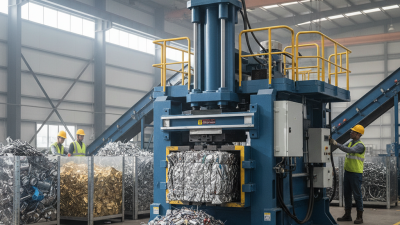
These machines compress various non-ferrous metals into manageable bales, facilitating easier transportation and processing. They enhance recovery rates, reduce operational costs, and support sustainability efforts. As recycling rates rise, the demand for efficient baling solutions has become vital.
However, not every baler meets the mark. Selecting the right Non Ferrous Baler requires careful consideration of features, performance, and durability. The challenges in the market may lead to poor decision-making when choosing equipment. This article examines the top five Non Ferrous Balers available, focusing on their efficiency and practicality.
Overview of Non-Ferrous Balers in Metal Recycling Industry
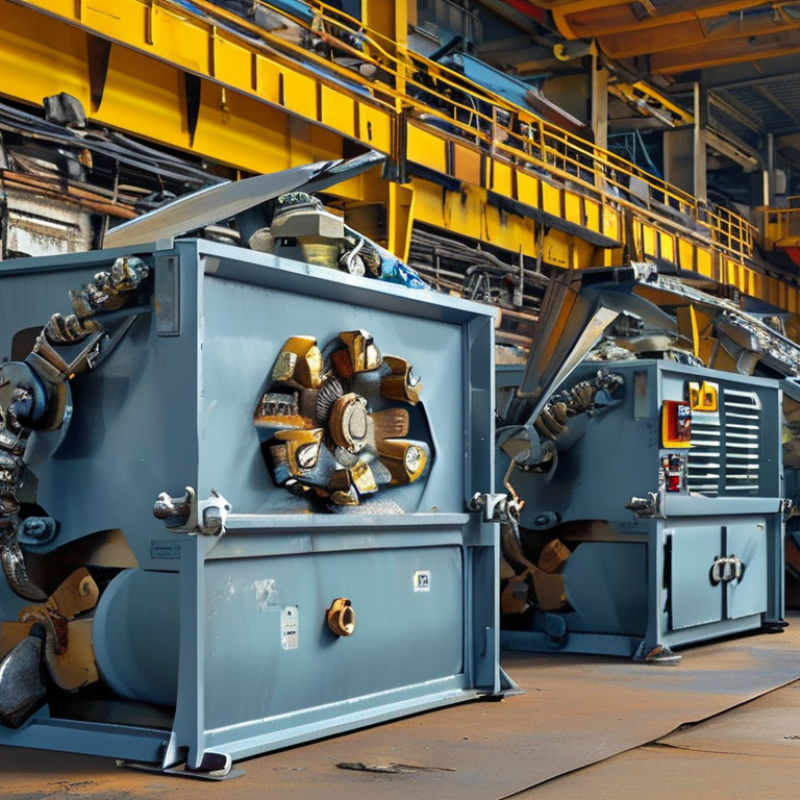
Non-ferrous balers play a crucial role in the metal recycling industry. These machines specialize in compressing metals like aluminum, copper, and brass, optimizing the recycling process. According to market research, the global non-ferrous metal recycling market is expected to reach $100 billion by 2025. This growth highlights the increasing importance of efficient baling technology.
Effective baling machines improve operational efficiency. They can significantly reduce storage space and streamline transportation. For example, a good baler can compress materials to as much as one-tenth of their original volume. This characteristic is essential in managing logistics effectively. Yet, choosing the right baler can be challenging due to varying capacities and material specifications.
Despite advancements, inefficiencies can arise. Not all machines can process every type of non-ferrous metal. Some may struggle with contaminants, leading to lower quality output. Operational costs may also remain high if the baler isn't properly maintained. Regular assessment of equipment is vital to ensure optimal performance and sustainability in the recycling process.
Key Features to Look for in Non-Ferrous Balers
When selecting a non-ferrous baler for metal recycling, it's essential to understand key features that enhance performance. One critical aspect is the baler’s compression force. A stronger compression force can efficiently handle various non-ferrous materials, packing them tightly for transportation. This feature significantly reduces the volume of processed scrap, saving storage space and handling costs.
Incorporating advanced technology into the baler design is another important consideration. Look for models equipped with automatic feeding systems and control panels that simplify operation. User-friendly interfaces can make the setup process more manageable, allowing operators to focus on efficiency. Energy consumption reports also help in assessing long-term operational costs and sustainability.
Finally, durability cannot be overlooked. A well-built baler made from high-quality materials ensures longevity, reducing maintenance needs. Regular wear and tear can affect performance. Therefore, selecting a robust model can save time and money in the long run. Considering these factors will lead to smarter choices in metal recycling.
Top 5 Non-Ferrous Balers for Efficient Metal Recycling
Top 5 Non-Ferrous Balers: A Comparative Analysis
When considering the efficiency of non-ferrous balers for metal recycling, it's essential to evaluate their key features. A strong baler should compress materials effectively, optimizing space and increasing transport efficiency. Different designs may suit varying types of non-ferrous metals, such as aluminum or copper. Each baler has distinct specifications that influence its overall performance and output quality.
When choosing a baler, prioritize factors like compression force and cycle time. Some balers might excel in processing light metals but struggle with heavier grades. Inspecting the machine's reliability is also crucial. Consistent performance can save operational costs in the long run.
Tips for selecting the right baler include assessing your recycling volume. A larger operation may need a high-capacity machine, while a smaller facility can benefit from compact models. Additionally, consider energy efficiency. High-energy costs can diminish your recycling profits. Lastly, always read reviews or consult experts for insights on different models. This will help refine your choices, leading to better decision-making in your metal recycling endeavors.
Top 5 Non-Ferrous Balers for Efficient Metal Recycling
| Model |
Bale Weight (lbs) |
Cycle Time (seconds) |
Motor Power (HP) |
Dimensions (L x W x H) |
Price ($) |
| Model A |
1,000 |
30 |
25 |
12' x 6' x 7' |
18,000 |
| Model B |
1,200 |
25 |
30 |
14' x 7' x 8' |
20,500 |
| Model C |
1,500 |
20 |
40 |
16' x 8' x 9' |
25,000 |
| Model D |
800 |
35 |
20 |
10' x 5' x 6' |
15,000 |
| Model E |
1,100 |
28 |
35 |
11' x 6' x 7' |
19,000 |
Efficiency and Performance Metrics of Non-Ferrous Balers
Non-ferrous balers play a crucial role in metal recycling. Their efficiency impacts the overall productivity of recycling operations. Understanding performance metrics is essential to optimize these machines. Key aspects include bale density, cycle time, and energy consumption.
Bale density directly affects transportation costs. Higher densities mean fewer trips to processing plants. However, achieving maximum density requires careful calibration. Improper adjustments can lead to inconsistent bales, causing further inefficiencies. Cycle time, another critical metric, determines how quickly materials are processed. Shorter cycle times enhance throughput but may increase wear and tear on equipment.
Energy consumption is often overlooked but very important. Balers consume varying amounts of energy, depending on design and usage patterns. An energy-efficient baler reduces long-term operational costs. Yet, it’s essential to consider the balance between energy-saving features and machine reliability. Continuous assessment is needed to ensure optimal performance without significant downtime.
Maintenance Tips for Maximizing Baler Longevity in Recycling Operations
Maintaining balers is crucial for efficient
metal recycling operations. Regular inspections help identify wear and tear before they escalate.
Check hydraulic systems often. Hydraulic fluids can leak, impacting performance.
A minor issue can lead to more significant problems if neglected. Simple checks can prolong the baler's life.
Keeping the baler clean is another essential task. Dust and debris can hinder performance. Schedule
regular cleaning sessions. This includes removing any materials stuck in the loading
chute. Such accumulation can cause jams. A clean baler operates more efficiently and offers better
compression.
Lubrication is key to smooth operation. Use appropriate lubricants specified in the manual. Avoid
over-lubricating, which can attract dust. Each part should move freely
without friction. Be mindful of the belt and wire tension. Too much tension
can wear parts down quickly. Keeping an eye on these details will ensure longevity.