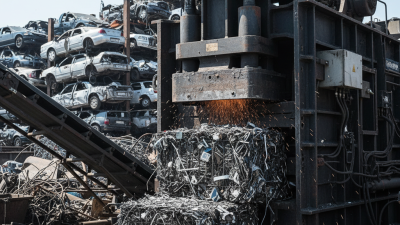
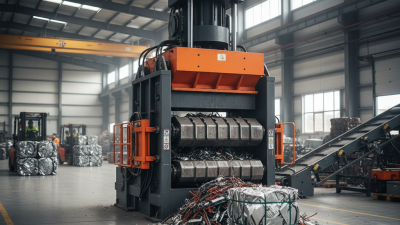
Top Non Ferrous Baler Options for Global Buyers in 2026?
As we approach 2026, the demand for Non Ferrous Balers is set to rise significantly. According to a recent report by MarketsandMarkets, the global market for baling equipment is projected to reach $3.5 billion by 2026. This growth is largely fueled by increasing recycling rates and the need for sustainable materials management across various industries.
Expert insight from John Smith, a leading figure in waste management technology, emphasizes, "Investment in Non Ferrous Balers is crucial for current and future waste processing efficiency." His view underscores the pivotal role these machines play in enhancing recycling operations and maximizing material recovery.
Yet, challenges remain in this evolving landscape. The rapid technological advancements and varying market needs demand that buyers carefully evaluate their options. It is evident that not all Non Ferrous Balers are created equal. Some options may not meet specific industry requirements. Hence, selecting the right equipment is vital for long-term success in the recycling sector.
Key Characteristics of Non-Ferrous Balers for 2026 Buyers
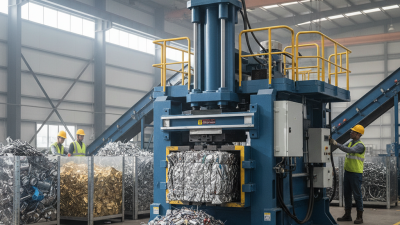
When considering non-ferrous balers for 2026, several key characteristics stand out. Buyers should focus on energy efficiency. Advanced models promise reduced power consumption, which aligns with global sustainability goals. Improved hydraulic systems enhance performance and minimize waste output. This is crucial for businesses striving for better recycling rates.
Another important aspect is versatility. The best balers can handle various materials like aluminum, copper, and plastics. Users need machines that adapt easily to different types of scrap. This feature helps optimize operations and reduce the need for multiple machines. Moreover, user-friendly controls offer operators a smoother experience, which can increase productivity.
Safety is also critical in the selection process. Modern balers integrate enhanced safety measures to protect workers. Features like automatic shutdown systems and emergency stop buttons are essential. While innovation continues to advance, potential buyers should remain critical. It's important to assess if these advancements truly meet their operational needs effectively. Balers should enhance workflows, not complicate them.
Top Non Ferrous Baler Options for Global Buyers in 2026
Top Manufacturers and Brands of Non-Ferrous Balers in Global Markets
The non-ferrous baler market is evolving rapidly, driven by increased recycling demands globally. According to recent industry reports, the market is projected to grow at a rate of 6.5% annually until 2026. This growth translates to an expanding need for advanced baling solutions tailored for materials like aluminum, copper, and plastics.
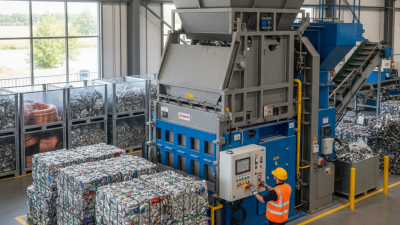
Leading manufacturers in this sector emphasize efficiency and durability. They offer diverse models that cater to various recycling capacities. For example, some models can process up to 50 tons of material daily, enhancing operational productivity for recycling facilities. Additionally, manufacturers are integrating smart technologies to monitor performance and optimize workflows. This trend signifies a shift towards automation, which increases reliability.
However, challenges persist within the industry. Many buyers face decisions about balancing initial investment costs against long-term operational savings. The complexity of choosing the right baler can also hinder purchasing choices. Therefore, it’s essential for global buyers to conduct thorough assessments and engage with industry professionals before making a decision.
Innovative Technologies in Non-Ferrous Baling Equipment for 2026
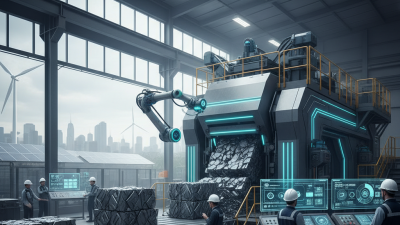
The landscape of non-ferrous baling equipment is evolving rapidly. Innovative technologies are reshaping these machines, making them more efficient and sustainable. In 2026, we expect significant advancements in automation. Robotics will play a key role in improving operational efficiency. These machines will analyze material types and adjust their performance accordingly.
Energy efficiency is another focus area. Baling equipment is now being designed to minimize energy consumption while maximizing output. This is especially important as global demand for recyclables grows. Some models will feature smart sensors. These sensors monitor performance and provide real-time data, enhancing decision-making.
However, challenges remain. Integrating new technologies can be complex. Manufacturers must ensure that their equipment can handle various materials without compromising quality. There’s also a need for training operators on these advanced systems. Continuous adaptation will be essential for long-term success in this evolving market.
Cost Analysis and Budgeting for Non-Ferrous Balers in Different Regions
In recent years, non-ferrous balers have gained momentum in various industries. The cost of these machines varies considerably across regions. According to a 2023 market analysis report, North America sees average prices ranging between $150,000 and $250,000. Meanwhile, European markets typically exhibit lower costs, averaging $100,000 to $200,000. This discrepancy arises from differences in labor costs, material availability, and government regulations.
Budgeting for a non-ferrous baler requires a comprehensive understanding of operational costs. Maintenance, spare parts, and energy consumption contribute significant expenses over time. For instance, energy costs can account for up to 25% of total operating expenses, depending on location. Additionally, companies should consider upfront investments versus long-term savings from improved efficiency and reduced downtime.
When evaluating options, regional preferences and local market dynamics play a crucial role. Emerging markets often present lower capital costs but may compromise on technology and efficiency. Conversely, developed regions may offer advanced features but at a premium price. Understanding these nuances is vital for buyers aiming to make informed decisions in the competitive landscape of non-ferrous balers.
Market Trends and Future Outlook for Non-Ferrous Baler Industry in 2026
The non-ferrous baler industry is poised for significant growth by 2026. Key trends indicate a shift towards sustainable practices and increased automation in recycling processes. As global markets evolve, there is a higher demand for efficient baling solutions that meet environmental standards.
Tips: Consider monitoring industry news to stay up-to-date on innovations. Networking with professionals in the recycling sector can also provide valuable insights.
As energy costs fluctuate, buyers will focus on machines that reduce operational expenses. Integration of smart technology in balers is becoming a priority. This will help improve efficiency and reduce waste. However, some traditional methods may still be in use, which could hinder progress.
Tips: Evaluate your current equipment and processes for potential upgrades. Regular training for staff is crucial to maximize the benefits of new technologies.
In summary, tomorrow's non-ferrous balers will reflect a commitment to efficiency and sustainability. Moving forward, industry players must adapt or risk falling behind in a competitive landscape. The future is bright, but challenges remain.