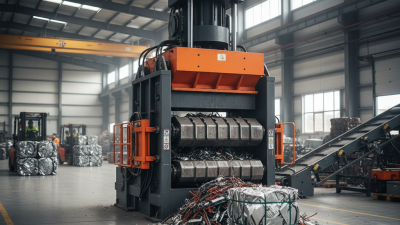
Choosing among China’s top 10 Car Baler Machine manufacturers requires more than comparing website claims. Buyers need evidence from factory experience, machine specifications, and long-term service performance. A reliable manufacturer should explain its baling force, chamber size, bale weight, cycle time, and power requirements clearly. It should also provide practical answers about installation, maintenance, spare parts, and operator training.
This guide examines ten manufacturers with attention to production capability, engineering quality, customization, and export experience. The evaluation considers hydraulic system design, structural strength, electrical control components, safety features, and consistency between advertised and tested performance. Factory audits, customer feedback, sample videos, and technical documents can reveal important details. A polished catalog is useful, but it cannot replace a machine inspection.
No ranking is perfect. Market information changes, and some manufacturers disclose limited operating data. That limitation deserves attention. Buyers should request current quotations, detailed drawings, warranty terms, and references from similar recycling facilities. They should also confirm whether the proposed Car Baler Machine matches local power standards, workspace conditions, material types, and legal safety requirements. A machine that performs well with light sheet metal may struggle with dense vehicle bodies. Small differences in ram speed, blade quality, or loading design can affect daily productivity and labor costs. The following overview aims to support a careful comparison, not force a quick purchase. Real value depends on dependable output, transparent communication, and support after delivery. Tensile steel frames matter. So does responsive service.
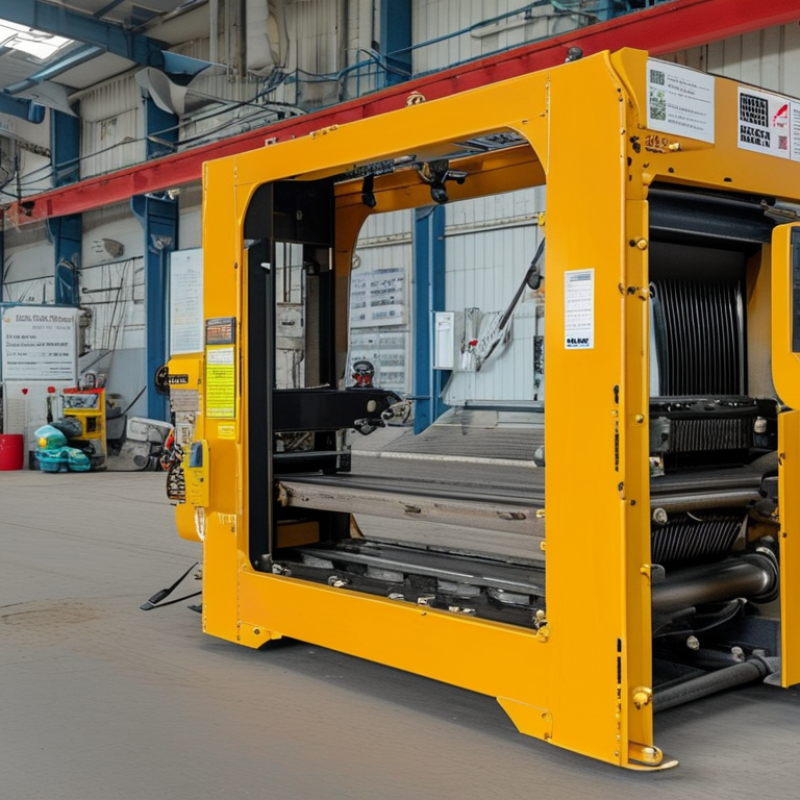
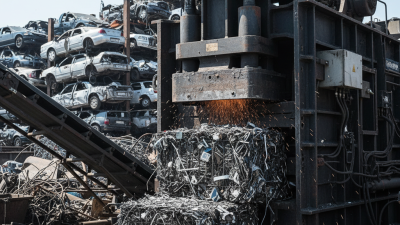
A car baler machine compresses end-of-life vehicles into dense metal bundles for easier handling, storage, and transport. It usually uses a hydraulic chamber, reinforced doors, and high-pressure cylinders. Operators first remove fluids, batteries, tires, and other non-metal parts. The prepared vehicle then enters the chamber. Steel plates fold inward from several directions. Pressure reduces the car’s volume and creates a compact bale.
The process is powerful, but not automatic. Material preparation affects every bale. A loose engine part can damage the chamber or create an unstable bundle. Moisture and mixed materials can also reduce recycling value. According to the U.S. Environmental Protection Agency, approximately 12 million vehicles are recycled annually in the United States, recovering about 25 million tons of steel. This figure shows why efficient vehicle compression matters. The Global Resources Outlook 2024, published by the United Nations Environment Programme, also links rising material demand with the need for better resource recovery systems.
Machine selection should consider chamber size, hydraulic pressure, cycle time, energy use, and maintenance access. A larger model is not always better. It may consume more power when daily vehicle volume is limited. Operators should verify safety controls, emergency stops, and bale density through practical testing. Data sheets can look convincing. Real scrap conditions are less predictable.
A car baler machine compresses a depolluted end-of-life vehicle body into a compact bale for easier storage, handling and transport. The chart shows the minimum European Union end-of-life vehicle targets that encourage reuse, recycling and recovery of vehicle materials. The targets are measured by average vehicle weight and have applied from 1 January 2015.
Source: European Commission, Directive 2000/53/EC on end-of-life vehicles.
Evaluating Chinese car baler machine manufacturers requires more than comparing quoted prices. China produced about 1.019 billion tonnes of crude steel in 2023, representing roughly 54% of global output, according to World Steel Association’s World in Figures 2024. This scale supports strong fabrication capacity, but it does not guarantee reliable machinery. Ask for factory production records, welding procedures, material certificates, and traceable serial numbers. A polished showroom proves little.
Examine the baler’s working details. Request videos showing complete vehicle bodies being compressed, not only empty test chambers. Check chamber dimensions, hydraulic pressure, cycle time, bale density, and hourly throughput under realistic loads. Compare these figures with the manufacturer’s tested results. The U.S. Department of Energy notes that recycling equipment performance depends heavily on material preparation and operating conditions. That warning matters. A machine may perform well in a demonstration but struggle with mixed metals, residual fluids, or uneven loading.
Safety evidence should include risk assessment, emergency-stop testing, guarding, hydraulic hose protection, and electrical documentation aligned with ISO 12100 and ISO 13849 principles. ISO 9001 certification is useful, yet it cannot replace product testing or after-sales records. Review spare-parts availability, installation support, response times, and warranty exclusions. Speak with recent users, if possible. I would also inspect one operating machine personally; photographs can hide vibration, oil leaks, and awkward controls. My own mistake would be trusting the lowest quotation too quickly. The cheaper press may become expensive through downtime.
China’s top ten car baler machine manufacturers are often compared by practical performance, not advertising claims. Experienced buyers inspect hydraulic stability, chamber strength, bale density, and cycle time. A reliable machine should compress complete end-of-life vehicles consistently, even after repeated daily operation. It should also include replaceable wear plates and accessible hydraulic components.
Manufacturers with strong engineering teams usually offer several machine sizes for different scrap yards. Heavy-duty models may use reinforced chambers, high-strength steel, and multi-cylinder pressing systems. Smaller models can save floor space but may sacrifice throughput. Ask for measured output data, not estimated figures. Request videos of full-cycle testing and check whether the test material matches your operation.
Details matter. Control panels should be clear, emergency stops should be easy to reach, and guards must support safe operation. Electrical parts need suitable protection in dusty environments. Spare-parts availability also affects long-term cost. A responsive service team is valuable when a seal fails during peak production.
Some published specifications look impressive but remain difficult to verify. That deserves caution. Buyers should compare factory records, inspection reports, warranty terms, and customer references. I would also test noise, oil temperature, and bale dimensions before purchase. A perfect machine does not exist. The best choice fits the yard’s material flow, budget, labor skills, and maintenance habits.
China’s leading car baler manufacturers offer different solutions for scrap vehicle processing. One focuses on compact horizontal balers for small yards. Another builds heavy-duty shear balers with reinforced chambers. A third supplies mobile baling units for flexible site operations. A fourth combines pre-shredding with automatic feeding systems. Its control software reduces manual handling.
The fifth manufacturer develops hydraulic balers with adjustable pressure settings. The sixth emphasizes wear-resistant chamber plates and replaceable cutting edges. A seventh provides large-bale systems for steel recycling centers. An eighth integrates weighing sensors, remote diagnostics, and production tracking. The ninth produces low-noise machines for urban recycling facilities. The tenth combines PLC controls with safety interlocks, emergency stops, and door-position monitoring.
In practical inspections, hydraulic stability matters more than impressive motor ratings. Operators should check cycle time, bale density, oil temperature, and access for maintenance. Some suppliers offer cloud monitoring, but weak network coverage can limit its value. Specifications may look excellent on paper. Workshop performance can differ.
A reliable evaluation should include test bales, energy readings, spare-part availability, and technician response times. Ask whether the machine handles mixed steel, aluminum parts, and residual fluids after proper preparation. Strong manufacturers provide installation guidance, operator training, and clear maintenance schedules. Even advanced automation needs skilled supervision. That detail is easy to underestimate.
Choosing a Chinese car baler supplier requires more than comparing catalog prices. In my equipment evaluations, the strongest clues appear in factory details, not polished brochures. Ask for production photos, weld inspection records, and a live video test with similar vehicles. A serious manufacturer should explain chamber dimensions, hydraulic pressure, cycle time, and expected output weight in plain language. Vague answers deserve caution. Good.
Check whether the supplier designs machines for your feedstock, working space, and power supply. A compact yard may need a smaller chamber, while a high-volume facility may require automatic feeding and reinforced wear plates. Request a written specification sheet, motor standards, spare-parts list, and installation procedure. Confirm steel grades and hydraulic component sources. These details affect downtime more than a low initial quote. Ask for references from comparable operations, but verify them independently. A staged payment plan and clear warranty terms also reveal commercial reliability.
Safety should be demonstrated, not merely promised. Look for guarded moving parts, emergency stops, pressure protection, operator training, and maintenance access. Ask how faults are diagnosed remotely and how quickly replacement parts can ship. Factory acceptance testing with photos, measurements, and signed records reduces avoidable disputes. I would still avoid choosing from price alone; I once underestimated service response, and the delay cost more than the saving. Supplier audits can be imperfect, so document every assumption before ordering.
| Position | Anonymous Supplier Profile | Primary Machine Type | Rated Press Force | Typical Bale Size | Installed Motor Range | Loading Method | Automation Level | Safety & Compliance Documentation | Estimated Production Lead Time | Best-Fit Buyer | Recommended Verification |
|---|---|---|---|---|---|---|---|---|---|---|---|
| 1 | Profile A — Heavy-duty end-of-life vehicle specialist | Horizontal scrap-car baler | 1,250–1,600 tons | 900 × 1,100 × 1,200 mm | 90–132 kW | Top or front loading | PLC-controlled automatic cycle | Guarding, emergency stops, hydraulic protection; request CE file | 45–75 days | Large dismantlers and high-volume scrap processors | Confirm steel grade, cycle time, bale density, and factory acceptance test |
| 2 | Profile B — Medium-capacity automotive recycling supplier | Two-ram metal baler | 800–1,250 tons | 700 × 900 × 1,100 mm | 55–90 kW | Top loading | Automatic pressing and bale ejection | Hydraulic overload protection; request risk assessment | 35–60 days | Regional scrap yards and vehicle dismantling centers | Check actual output using mixed steel and prepared car bodies |
| 3 | Profile C — Customized hydraulic equipment manufacturer | Custom horizontal car baler | 630–1,000 tons | 600 × 800 × 1,000 mm | 45–75 kW | Front or side loading | Semi-automatic or automatic | Electrical drawings and hydraulic schematics available on request | 40–70 days | Buyers requiring non-standard chamber dimensions | Approve general arrangement drawings before production |
| 4 | Profile D — Compact equipment supplier for limited-floor-space sites | Compact vertical car baler | 315–630 tons | 500 × 700 × 800 mm | 22–45 kW | Top loading | Manual loading with automatic compression | Two-hand controls and emergency stop required | 25–45 days | Small dismantlers, workshops, and vehicle collection points | Measure available height, floor loading, and access-door width |
| 5 | Profile E — Export-oriented recycling machinery supplier | Containerized scrap-car baler line | 800–1,600 tons | Configurable, typically 700–1,200 mm | 75–132 kW | Top loading with conveyor option | PLC automation with remote diagnostics option | Request conformity documents for the destination market | 50–85 days | Overseas recyclers and multi-site operators | Verify container dimensions, transport weight, and installation scope |
| 6 | Profile F — High-density ferrous scrap baler producer | Heavy-duty metal baler with pre-compression | 1,000–1,600 tons | 800 × 1,000 × 1,200 mm | 90–160 kW | Top loading | Automatic compression and ejection | Pressure monitoring and interlocked guarding | 55–90 days | Facilities prioritizing dense, transport-efficient bales | Request measured bale density by material composition |
| 7 | Profile G — Flexible small-batch machinery manufacturer | Multi-purpose hydraulic baler | 400–800 tons | 500–700 × 700–900 mm | 30–55 kW | Front loading | Semi-automatic | Basic safety package; verify local compliance requirements | 30–55 days | Mixed-material recyclers with variable feedstock | Confirm whether car bodies must be pre-cut or flattened |
| 8 | Profile H — Integrated vehicle recycling line supplier | Pre-shredder and baler integration package | 630–1,250 tons | 600 × 800 × 1,000 mm | 75–150 kW total line load | Conveyor-fed | Central PLC control | Line guarding, interlocks, emergency-stop circuit | 60–100 days | Automotive recycling plants seeking one-line responsibility | Review complete process flow, utility demand, and commissioning plan |
| 9 | Profile I — Cost-focused standard-model manufacturer | Standard horizontal metal baler | 500–800 tons | 500 × 700 × 900 mm | 37–55 kW | Manual top loading | Semi-automatic | Request component list and safety inspection records | 25–50 days | Buyers with moderate throughput and strict capital budgets | Compare total landed cost, not only the quoted machine price |
| 10 | Profile J — After-sales service-oriented supplier | Automotive scrap baler with service package | 630–1,000 tons | 600 × 800 × 1,000 mm | 45–90 kW | Top loading with ejection system | Automatic cycle with HMI | Operating manual, spare-parts list, and remote troubleshooting support | 35–65 days | Export buyers needing installation and operator training | Obtain warranty terms, response times, spare-parts pricing, and references |