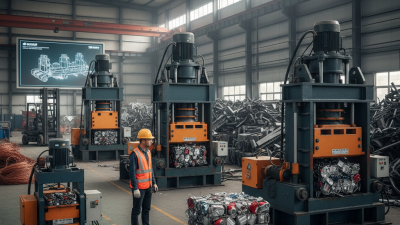
Why Choose Electromagnetic Lifting Magnet for Heavy Lifting Solutions?
In the realm of heavy lifting solutions, the Electromagnetic Lifting Magnet stands out. This innovative tool transforms how industries handle large metal objects. The simplicity of operation is a strong factor. With just a switch, it can securely attach to various loads.
However, it's crucial to recognize its limitations. For instance, the magnet's effectiveness depends on the thickness of the material. If the metal is too thin, the hold can become weak. This presents challenges that users need to consider. Additionally, regular maintenance is necessary to ensure optimal performance.
Despite these challenges, the benefits are significant. An Electromagnetic Lifting Magnet can drastically reduce manual labor. Safety improves, reducing the risk of accidents. It eliminates the need for chains or slings, which can be cumbersome. This tool represents a significant advancement in lifting technology, but it requires careful evaluation and proper use.
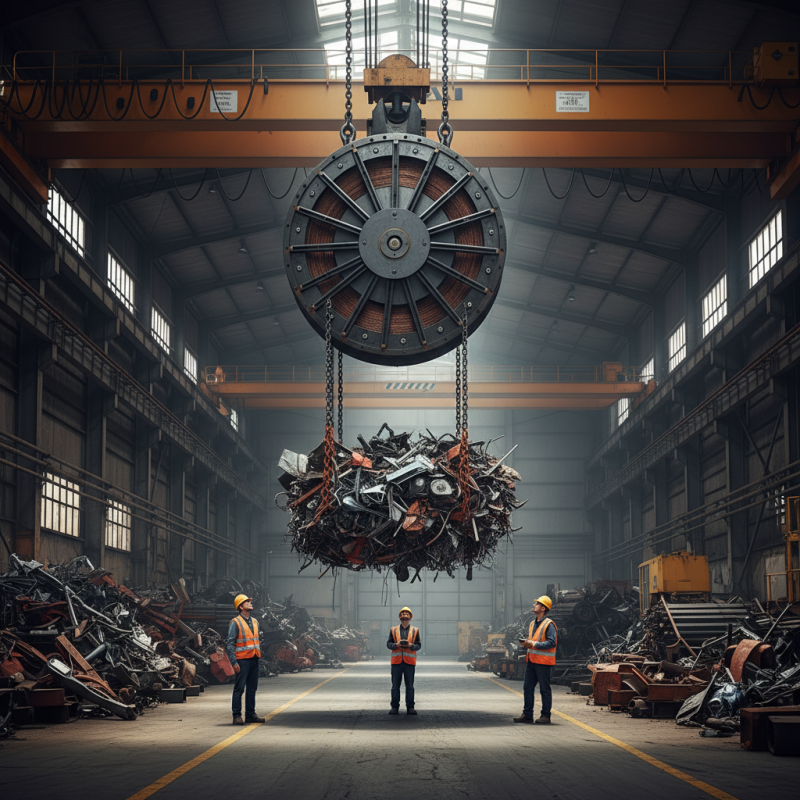
Understanding Electromagnetic Lifting Magnets and Their Functionality
Electromagnetic lifting magnets play a crucial role in heavy lifting applications. They are widely used in industries like construction, manufacturing, and recycling due to their efficiency and versatility. According to a report from Research and Markets, the global electromagnetic lifting magnet market is expected to grow significantly, with an estimated CAGR of 5.5% from 2023 to 2028. This growth reflects the increasing demand for advanced lifting solutions.
These magnets function by generating a strong magnetic field when an electric current flows through their coils. This allows them to lift heavy ferromagnetic objects, such as steel plates and scrap metal. For instance, a single electromagnet can lift loads exceeding several tons, depending on its design. However, reliance on electrical sources poses risks. If power fails, the magnets lose their hold, which can lead to accidents and injuries.
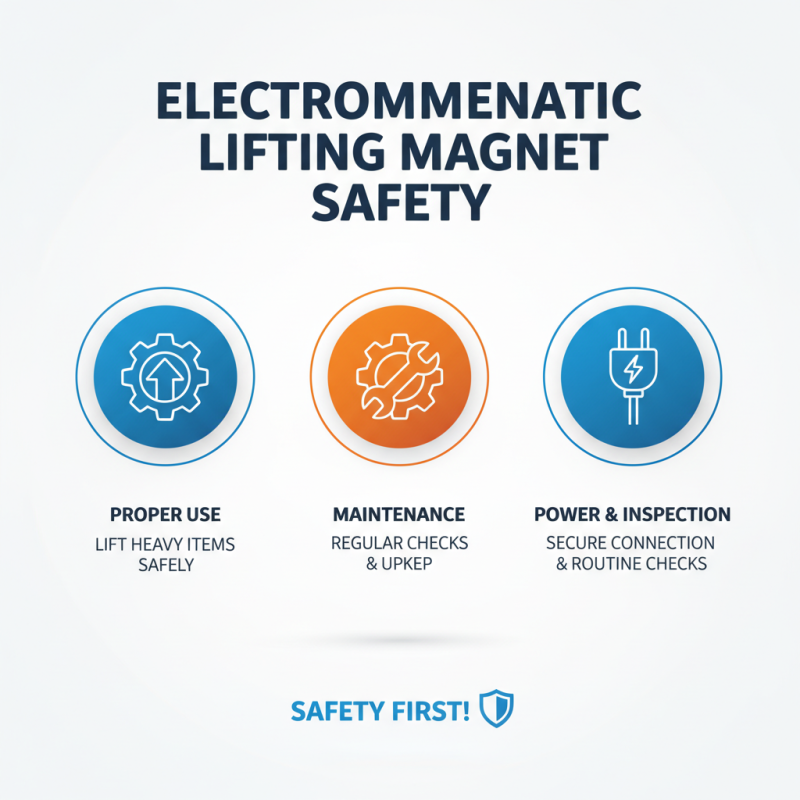
Moreover, proper maintenance is often overlooked. Regular inspections and testing are critical to ensure safety and performance. Neglecting these aspects can result in equipment failures. The importance of operator training also cannot be ignored. A competent operator is essential for maximizing the benefits of electromagnetic lifting solutions. As industries continue to evolve, the use of these lifting magnets may present both opportunities and challenges.
Advantages of Using Electromagnetic Lifting Magnets in Industrial Applications
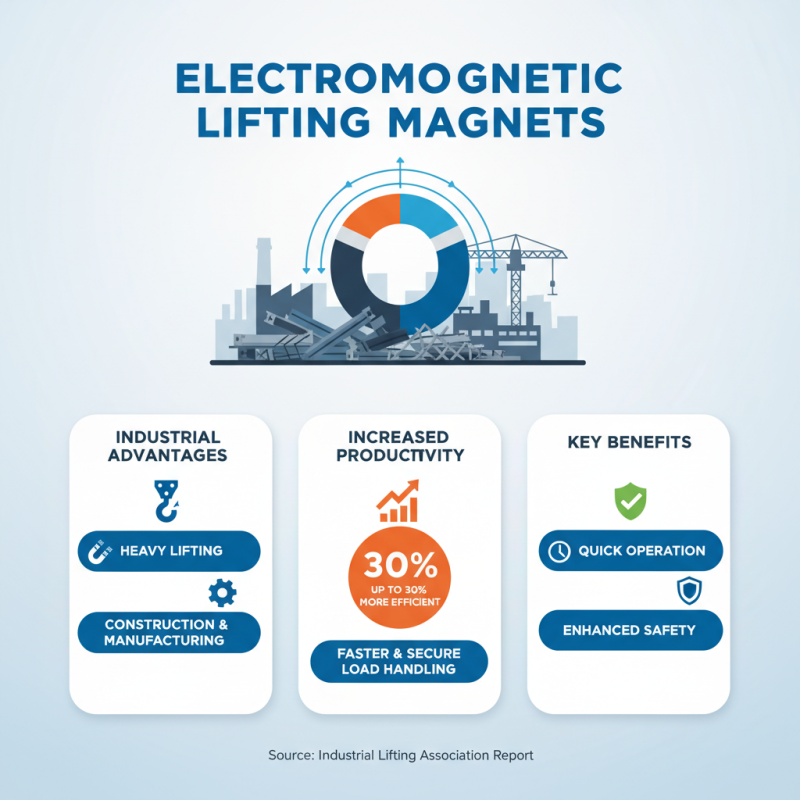
Electromagnetic lifting magnets offer remarkable advantages in industrial applications. They are efficient tools for heavy lifting, particularly in environments like construction and manufacturing. According to a recent report by the Industrial Lifting Association, using electromagnetic magnets can increase productivity by up to 30%. This efficiency stems from their ability to lift heavy loads quickly and securely.
The versatility of electromagnetic lifting magnets allows them to handle various materials, including steel, iron, and other ferrous metals. They are particularly useful in scrapyards and warehouses. A well-maintained magnet can lift loads weighing several tons. However, this lifting capacity can be affected by factors such as power supply and surface conditions of the materials being lifted.
**Tip:** Regular maintenance is crucial. Inspect magnets routinely for wear and tear to ensure optimal performance.
Additionally, electromagnetic lifting magnets reduce the risk of injury. Traditional lifting methods often involve manual handling, posing safety hazards. Electromagnetic systems minimize human involvement in lift operations, hence lowering the accident rate. However, operators must receive proper training. Misuse can lead to equipment failure or accidents.
**Tip:** Always prioritize operator training programs. A skilled team can maximize safety and efficiency.
Comparison of Electromagnetic Lifting Magnets vs. Traditional Lifting Methods
Electromagnetic lifting magnets have gained traction in recent years. They offer unique advantages over traditional lifting methods like slings or chains. One significant benefit is the ease of operation. With just a flip of a switch, you can lift heavy loads with precision. Traditional methods, on the other hand, often require complex rigging. This can lead to errors, which may cause accidents or damage.
Safety is another critical factor to consider. Electromagnetic lifting magnets create a strong magnetic field, which securely grips iron and steel objects. This reduces the risk of slippage during lifting. Traditional methods can sometimes fail due to improper setup or wear and tear on slings. Such failures can be catastrophic. Yet, it’s important to recognize that electromagnetic lifting requires regular maintenance and checks. If not done, the reliability may diminish.
Cost-effectiveness also plays a role. Although electromagnetic lifting magnets might have a higher initial investment, they can save money in the long run. With lower manual labor and increased efficiency, companies can improve productivity. However, not every situation calls for electromagnetic lifting. Certain materials, like non-ferrous metals, are incompatible. This may necessitate additional equipment, complicating the lifting process.
Key Industries Benefiting from Electromagnetic Lifting Solutions
Electromagnetic lifting magnets play a pivotal role across various industries. The construction sector extensively uses these magnets for heavy lifting tasks. According to industry reports, electromagnetic lifting solutions can enhance lifting efficiency by over 30%. This efficiency can significantly speed up projects, reducing labor costs.
The manufacturing industry also benefits greatly. Electromagnetic magnets streamline the handling of metal parts and components. They enable operators to lift heavy objects safely and securely. This reduces the risk of workplace injuries. A recent study mentioned that companies implementing electromagnetic lifting have reported a 25% decrease in accident rates.
Even the automotive industry has seen advantages. Electromagnetic lifting systems facilitate the assembly line process. These systems allow for quick and flexible handling of different vehicle components. However, maintaining these systems requires regular checks and training. Without proper attention, performance can decline. Balancing efficiency and safety is crucial.
Electromagnetic Lifting Solutions in Key Industries