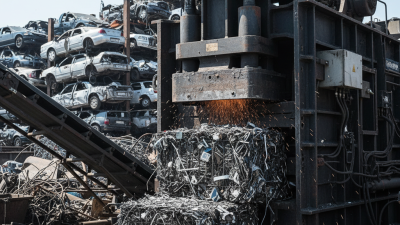
How to Choose the Best Scrap Metal Shear?
Choosing the best Scrap Metal Shear requires more than comparing price tags and cutting capacity. The right machine must match your material, workspace, production volume, and maintenance resources. A compact hydraulic shear may handle thin steel efficiently, while heavier equipment suits thick beams, pipes, and mixed scrap. Small details matter. Blade clearance, throat opening, cycle speed, and noise levels can affect daily performance.
Real operating experience offers useful guidance. Inspect the machine’s frame, hydraulic system, guards, and control panel before purchase. Ask suppliers for verified specifications, service records, warranty terms, and operator training options. Independent reviews can help, but manufacturer claims should be checked against practical feedback. A reliable Scrap Metal Shear should cut consistently without excessive vibration, oil leakage, or repeated downtime. Safety features deserve equal attention. Emergency stops, interlocked guards, stable installation, and clear operating instructions support responsible use.
No choice is perfect. Even experienced buyers can underestimate maintenance costs or future material changes. That mistake can become expensive. Consider the full ownership picture, including electricity, replacement blades, inspections, labor, and spare parts availability. Environmental conditions also matter. Dust, moisture, limited floor space, and poor ventilation may influence equipment life and operator comfort. This guide will compare key shear types, explain important specifications, and identify practical questions for suppliers. Its goal is simple: help readers select equipment that performs reliably, safely, and economically in real working conditions.
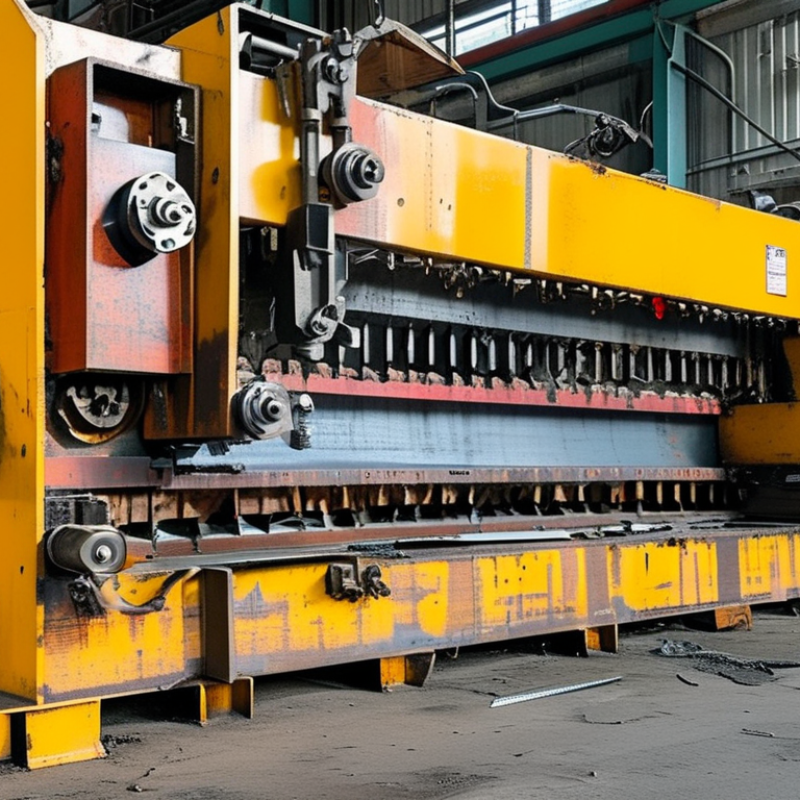
Define Your Scrap Metal Shearing Requirements
How to Choose the Best Scrap Metal Shear?
Define Your Scrap Metal Shearing Requirements
Start with the material, not the machine. Identify your daily scrap volume, metal grades, maximum section thickness, and average bundle size. A shear handling thin sheet may struggle with rail steel, heavy beams, or contaminated assemblies. Measure the largest pieces you actually receive. Estimates often look tidy. Yard conditions rarely are.
The U.S. Geological Survey reported roughly 60 million metric tons of ferrous scrap consumed by American steelmakers in 2023. That scale shows why consistent preparation matters. Review your required tonnes per hour, cutting cycles, loading method, and available space. Then compare those figures with the shear’s rated force and practical throughput. Do not rely only on the highest advertised capacity. Real production falls when material is uneven, wet, oversized, or poorly positioned.
Safety and maintenance belong in the requirements document. Confirm guarding, emergency controls, access for blade changes, hydraulic inspection points, and operator visibility. The Institute of Scrap Recycling Industries emphasizes risk assessment and safe material processing across recycling operations. A useful specification also includes noise limits, power availability, foundation strength, and planned service intervals. I have seen buyers focus heavily on cutting force and overlook feeding time. That mistake can reduce output more than a smaller cylinder. Allow some margin, but avoid buying capacity you cannot continuously supply. Your best shear is the one matched to your actual material flow, not an impressive catalogue number.
Compare Shear Types for Different Metal Materials
Choosing a scrap metal shear starts with the material, not the machine’s advertised tonnage. The World Steel Association reported 1.89 billion tonnes of crude steel production in 2023. That scale makes steel preparation efficiency important.
For thick carbon-steel beams, a guillotine shear delivers straight, controlled cuts. It suits dense, uniform feedstock.
An alligator shear is more practical for short bars, pipes, and mixed steel pieces. Its jaws work well around irregular shapes.
Aluminum and copper require a gentler approach. They are softer, lighter, and often more valuable by grade. A hydraulic alligator shear can process copper wire bundles and aluminum profiles without excessive deformation. Excessive crushing may complicate sorting.
For stainless steel, choose stronger blades and slower, controlled cycles. Its toughness can produce heat, blade wear, and rough edges. USGS Mineral Commodity Summaries 2024 estimated U.S. steel scrap consumption near 58 million metric tons in 2023.
Material volume matters, but contamination matters more.
Check the feed opening, blade clearance, cycle speed, and maintenance access. Measure real pieces from your yard. Do not rely only on catalog samples. A compact shear may outperform a larger unit when operators handle short, clean sections.
I have found one weakness in this comparison: “best” changes with moisture, attachments, and inconsistent scrap sizes. Even a powerful shear can struggle with tangled material. A trial cut is often more reliable than a confident specification sheet.
Evaluate Cutting Capacity, Power, and Operating Speed
Choosing the best scrap metal shear starts with its real cutting capacity, not its advertised maximum. Check the maximum thickness, material grade, and cross-section the machine can process continuously. A shear that handles thin sheet may struggle with bundled steel or uneven beams. Measure your common scrap, including occasional oversized pieces. Jaw opening matters too. A narrow opening can limit production, even when hydraulic force appears impressive.
Power must match the workload. Hydraulic pressure creates force, while pump flow affects how quickly the jaws recover between cuts. High power is useful for dense material, but excessive force can increase energy use, heat, and component wear. Check motor output, hydraulic pressure, and duty cycle together. Numbers can mislead. Ask for performance data under realistic loads, not empty-cycle demonstrations.
Operating speed affects both output and control. Fast cycles may improve hourly volume, yet they can reduce positioning accuracy around twisted metal. A balanced machine should cut quickly without forcing operators to rush. Observe the complete cycle: closing, cutting, opening, and repositioning. Small delays become expensive over a full shift. Record cycle times from several material types, because one test is rarely reliable. That assumption deserves review. Maintenance access also matters; dull blades and contaminated hydraulic oil can quietly reduce speed. A practical choice leaves enough capacity for unpredictable loads, but not so much unused power that ownership costs become difficult to justify.
Select the Best Shear for Your Budget and Workspace
Choosing the best scrap metal shear starts with your budget and workspace, not the largest cutting capacity. Measure doorways, ceiling height, floor strength, and material flow. A compact shear may fit neatly beside sorting bins, while a larger hydraulic unit can require reinforced flooring and wider access routes. Leave space for loading, maintenance, and safe movement around the machine.
Compare the complete cost, not only the purchase price. Include delivery, installation, electrical work, blades, lubrication, guarding, and routine inspections. A lower-priced shear may become expensive when replacement parts are difficult to source. Check its rated capacity against your usual metal thickness. Oversizing wastes money, but undersizing causes slow production and unnecessary strain. Ask for clear technical documents and service support before committing.
I once underestimated maintenance space.
That mistake was costly. The shear worked well, but reaching the hydraulic fittings became awkward and time-consuming. Now I inspect access panels, control placement, noise levels, and cleanup points before choosing equipment. A model with simple controls may suit a small team better than a faster machine requiring specialized training. Confirm emergency stops, protective barriers, and operator visibility during a practical demonstration. Measure twice. Buy once, if possible. Real workloads can change, so leave modest capacity for future needs without letting imagined growth control today’s budget.