2026 How to Choose the Right Metal Baler Machine for Your Needs?
Choosing the right Metal Baler Machine can significantly influence your recycling operations. According to a report by Smithers Pira, the global metal recycling market is projected to reach $100 billion by 2026. As demand for efficient recycling solutions grows, selecting the most suitable baler is essential.
A Metal Baler Machine compresses metal scraps into manageable bales, facilitating easier transport and storage. Different industries, from automotive to manufacturing, rely on these machines. The right choice can optimize workflow and reduce operational costs. However, it is crucial to assess factors like capacity, size, and versatility before purchasing.
Many businesses struggle to choose the right model. This decision can seem overwhelming. Implementing the wrong machine may lead to inefficiency. It's vital to thoroughly evaluate your operational needs. Ideally, every facility should consider its output requirements and the types of materials processed. This helps in making a more informed investment in a Metal Baler Machine.
Understanding the Different Types of Metal Baler Machines
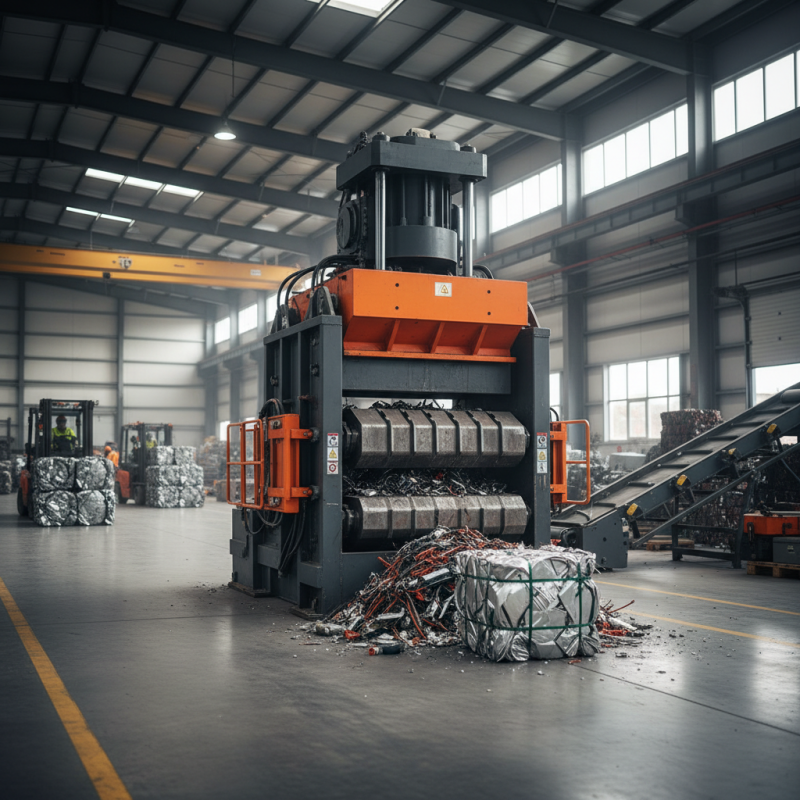
When looking for a metal baler machine, it’s essential to understand the different types available. Each machine serves unique purposes depending on your needs. For instance, vertical balers are compact and suitable for smaller operations. They often handle materials like cardboard and plastics efficiently. According to a 2022 industry report, these machines can process up to 1 ton of material per hour. This is impressive for small-scale businesses.
On the other hand, horizontal balers are designed for larger volume processing. They can handle a variety of materials, including metals and bulk waste. The average throughput can exceed 15 tons per hour, depending on the model. However, they require significant floor space and are a larger investment. It’s important to assess your facility’s layout and budget.
A key consideration is the level of automation. Fully automated balers reduce manual labor but can be costly. Semi-automated options offer a balance between efficiency and cost. They may take longer but require less upfront investment. Depending on your operation’s size and speed requirements, this can be a valid trade-off. Reflecting on these aspects can help you find the most suitable machine.
Assessing Your Material Requirements for Baling
Choosing the right metal baler machine starts with understanding your material requirements. Different materials require different baling techniques. For example, ferrous metals such as steel have a higher density than aluminum. This affects the force needed to compact them effectively. According to industry reports, a baler that cannot handle the material's density may lead to operational inefficiencies.
Capacity is another crucial factor. A baler’s capacity should align with your processing volume. If you have high throughput, you need a machine that can keep pace. The average baler can process around 1,500 pounds of metal per hour. However, if your output is fluctuating, it’s essential to reassess your needs regularly. Operators may overlook this until it impacts their productivity.
It's also vital to evaluate the type of scrap materials you handle. Not all balers can manage mixed-metal waste efficiently. Processing mixed materials can slow down operations. Some machines might struggle with sticky or oily materials, leading to further complications. The trade-off between versatility and efficiency can be challenging but necessary for smooth operation. Balers must also be adaptable to handle future material changes, which requires careful planning.
2026 Metal Baler Machine Selection: Material Requirements Assessment
This chart illustrates the monthly material requirements for various types of waste suitable for baling. Understanding these requirements helps in selecting the most appropriate metal baler machine for efficient operations.
Evaluating Production Capacity and Efficiency Needs
When selecting a metal baler machine, understanding your production capacity and efficiency needs is crucial. Consider how much material you process daily. This will help you choose a baler that meets your requirements. For example, if your operation increases, a machine with higher throughput may be necessary.
Tips: Assess your current workload. Keep notes on how many materials you process weekly. This can guide your decision and highlight any gaps in capacity. You might find that a smaller machine is insufficient during peak times.
Also, think about the efficiency of the baler. An efficient machine saves time and labor costs. Look for features that enhance productivity. However, don’t overlook maintenance needs. A high-capacity baler doesn’t mean much if it requires constant repairs.
Tips: Visit other facilities and observe their baler operations. Learn from their experiences. Ask questions about downtime and efficiency. It's important to gather insights that might reveal hidden issues. Balancing capacity and efficiency can be challenging, but it’s essential for success.
Budgeting for Purchase, Maintenance, and Operational Costs
When budgeting for a metal baler machine, it’s vital to consider various costs. The purchase price often ranges from $20,000 to $150,000, depending on capacity and features.
Maintenance should not be an afterthought. Regular upkeep is necessary to ensure efficiency. Data suggests that maintenance can cost about 5-10% of the initial purchase annually.
Operational costs play a crucial role as well. Energy consumption can significantly impact your total budget. For instance, a baler may use 5-15 kWh per hour, depending on its size and usage patterns. Many operators overlook hidden costs such as labor for operation and potential downtime due to repairs. It’s essential to factor in these elements when making a decision.
Inadequate budgeting can lead to increased expenditures in the long run. Many manufacturers report that businesses often underestimate maintenance needs. This oversight can result in frequent breakdowns and higher operational disruptions. Balancing the initial investment with ongoing costs is key to selecting the right machine for your operations.