Best Metal Cutting Shear Machine for Global Buyers Guide?
In the competitive realm of metal processing, selecting the best Metal Cutting Shear Machine is crucial. Renowned industry expert Dr. Emily Carter emphasizes the importance of precision and efficiency. She states, "Investing in a quality shear can redefine your production capabilities."
The right shear machine enhances productivity and accuracy. It allows businesses to meet increasing demands in various projects. With numerous options available, navigating this market can be overwhelming. Each machine varies in size, power, and features, making careful consideration essential.
Buyers must weigh their specific needs against the capabilities of different models. Not all machines will suit every application, reflecting the need for critical evaluation. Mistakes can lead to costly downtime, hindering progress. Choosing wisely ensures reliability and fosters long-term success in metal cutting operations.
Types of Metal Cutting Shear Machines Available in the Market
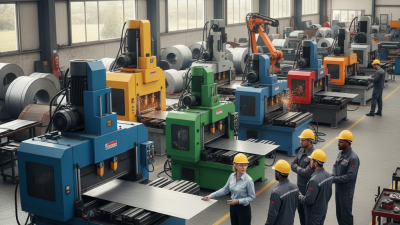
Metal cutting shear machines come in various types, each suited for specific tasks. The most common types include manual shears, pneumatic shears, and hydraulic shears. Manual shears are ideal for small workshops. They require human force but provide good control. Pneumatic shears are powered by compressed air, making them suitable for repetitive tasks. They are efficient, but require a reliable air source.
Hydraulic shears are powerful and can cut through thicker metals. They offer precision and speed, making them ideal for industrial applications. However, these machines can be expensive. Users must consider their budget carefully. It's essential to evaluate the workload and type of metal before choosing a shear.
Tips: Always read product specifications thoroughly. Check the machine’s cutting capacity before purchasing. Ensure it fits your metal thickness requirements. Additionally, consider safety features. Machines must comply with safety regulations to protect operators. Look for models that offer easy maintenance to avoid unexpected downtime. Investing time in research will lead to better choices.
Key Features to Consider When Choosing a Metal Cutting Shear Machine
When selecting a metal cutting shear machine, key features matter.
Consider the cutting capacity of the machine first. Different projects demand different thicknesses. A versatile shear can handle multiple metal types.
Precision is crucial. Look for machines offering clean cuts without burrs. A powerful drive system can significantly enhance performance.
Durability is another essential feature. Metal cutting can be demanding. Machines must withstand heavy use over time.
Materials and build quality play a significant role in longevity. Weight affects flexibility too. Heavier machines often provide more stability. However, this can limit mobility.
Safety features cannot be overlooked. Emergency stops, guards, and proper ergonomic designs enhance user protection.
Training is vital for safe operation. Regular maintenance needs to be planned.
It can be an overlooked aspect but crucial for long-term reliability. Some machines may require more frequent servicing, which can be a drawback.
Balancing these features will lead to a more informed decision.
Top Manufacturers and Brands of Metal Cutting Shear Machines Worldwide
The global market for metal cutting shear machines has shown significant growth. According to a recent industry report, this growth is expected to reach a compound annual growth rate (CAGR) of around 5.3% from 2021 to 2026. This indicates the increasing demand for efficient and precise metal cutting solutions. Manufacturers are focusing on innovation and enhanced technology to meet the diverse needs of customers worldwide.
Top manufacturers in the metal cutting shear machine sector are often distinguished by their commitment to quality and safety standards. Many offer machines that include features such as programmable controls and advanced safety systems. However, not all manufacturers maintain consistent product quality. Some have faced criticism over parts durability and customer support. Buyers should carefully evaluate feedback and product reviews to make informed decisions.
In terms of market distribution, regions like North America and Asia-Pacific are leading the charge. The Asia-Pacific market alone is projected to grow at a robust pace due to rising industrial activities. This data suggests a need for stakeholders to adapt to regional trends and demands. Manufacturers that overlook these aspects may risk losing their competitive edge. Reliability and adaptability are essential for success in this dynamic industry.
Global Metal Cutting Shear Machines Market Share
Comparative Analysis of Manual vs. Automatic Metal Cutting Shears
When considering metal cutting shears, the choice between manual and automatic models is crucial.
Manual shears often provide a hands-on approach. They require physical effort and skill, leading to potential fatigue and inconsistency in cuts.
According to industry reports, approximately 35% of professionals prefer manual shear machines for their cost-effectiveness.
However, this preference comes with a downside; inconsistencies can arise from operator fatigue during extended use.
On the other hand, automatic metal cutting shears offer precise cuts and increased efficiency.
Research indicates that automatic models can improve productivity by up to 50%.
This is particularly valuable in high-volume environments. Yet, they often come with higher upfront costs.
Additionally, reliance on technology poses a risk; malfunctioning equipment can lead to production delays.
This places emphasis on regular maintenance and operator training to mitigate such issues.
Choosing the right shear machine requires careful consideration.
The balance between manual control and automation efficiency must align with specific business needs.
Each machine has its benefits and drawbacks. Understanding these nuances is essential for making an informed decision in today’s competitive market.
Maintenance and Safety Tips for Metal Cutting Shear Machine Users
Using a metal cutting shear machine can seem straightforward, but it requires diligence in maintenance and safety. Regular inspection of blades is crucial. Dull blades can lead to rough cuts and accidents. Check for any chips or cracks in the blades that can compromise the machine's function. Keeping the machine clean is essential. Dirt and debris can obstruct performance and even cause mechanical failure.
Safety gear is non-negotiable. Always wear gloves and goggles when operating the machine. While it might feel cumbersome, these items protect against flying metal shards. Operators should understand the machine's controls fully. Misunderstanding can lead to injuries. Training sessions can help ensure everyone knows the right procedures.
Common mistakes happen in busy environments. Rushing through cuts may lead to errors. Reflecting on past incidents can improve safety practices. Regularly revisioning protocols helps create a safer workspace. Maintenance is not just about the machine; it’s about the people who operate it. Taking the time to follow these details can make a significant difference in safety and performance.