2026 Top Alligator Shear Parts Guide What You Need to Know?
In the world of heavy machinery, understanding Alligator Shear Parts is crucial. These components play a vital role in the operation and efficiency of shearing machines. With the right parts, operators can enhance performance and safety.
Many people overlook the importance of maintenance and selection. Choosing the wrong parts can lead to costly repairs. Specific Alligator Shear Parts require attention, such as blades and hydraulic systems. Each piece must be compatible and durable.
Operators often face challenges when replacing worn parts. Finding quality options can feel overwhelming. Yet, taking time to research and ask questions pays off. Knowledge about these essential components empowers users. An informed choice leads to improved functionality and extended machine life.
Overview of Alligator Shear Parts and Their Functions
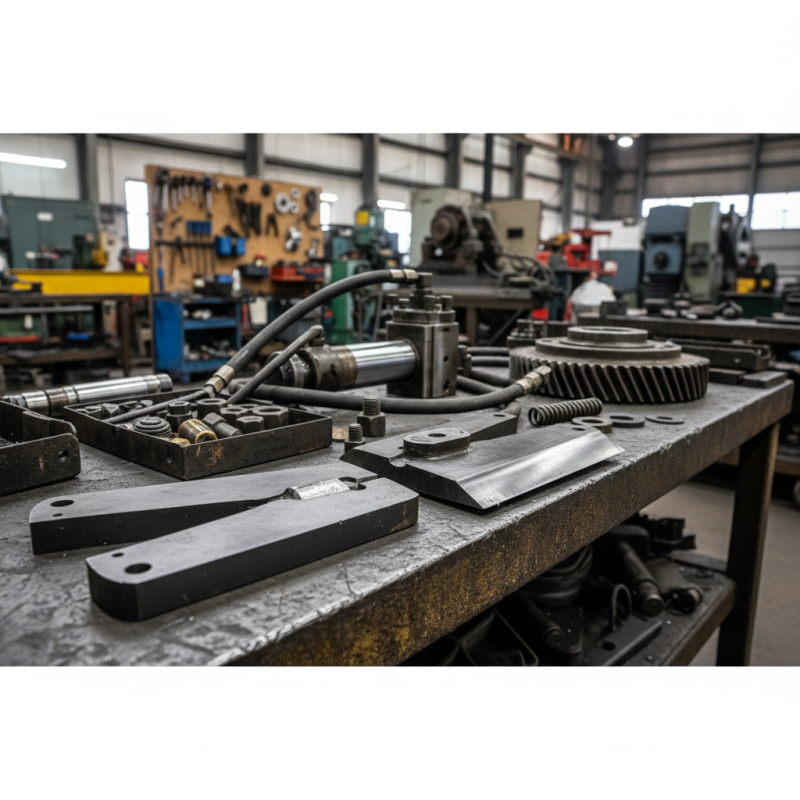
When it comes to alligator shear parts, understanding their functions is vital. These machines are essential in metal recycling and processing. Each component plays a significant role in overall performance. The blades, for instance, are designed for optimal cutting efficiency. They create clean edges during slicing operations. However, worn-out blades can lead to jagged cuts or decreased productivity.
Another crucial part is the hydraulic system. It powers the shearing action, ensuring effective operation. If the hydraulic fluid is not maintained properly, issues may arise. Low pressure may cause slow response or even failure to cut. Regular checks and maintenance can prevent such problems. The frame structure also provides stability during operation. A weak frame can lead to misalignment and compromised safety.
The control system is the brain behind the machine. It dictates the speed and force of the cuts. Inaccurate settings can result in excessive wear or unsafe conditions. Operators must be aware of their machine's settings. Lastly, the safety guards are not just optional. They protect workers from hazards. Neglecting them can lead to serious consequences. Each part, while distinct, is interconnected in ensuring that the alligator shear functions efficiently.
2026 Top Alligator Shear Parts Analysis
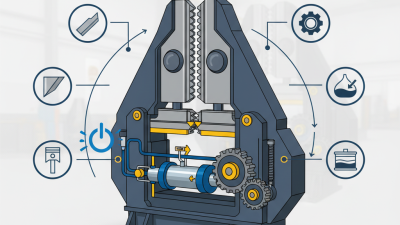
This bar chart illustrates the common alligator shear parts and their corresponding functions. Each part plays a critical role in the operation of an alligator shear, affecting overall efficiency and performance.
Common Materials Used in Alligator Shear Parts
Alligator shear parts are critical for effective metal cutting in various industries. The materials used in these parts significantly influence their performance, durability, and overall efficiency. Common materials include high-carbon steel, which offers excellent hardness and wear resistance. According to industry reports, over 60% of shear parts are made from such robust materials. This ensures they can withstand the intense stresses during operations.
Another common material is tool steel, known for its high tensile strength and ability to maintain sharp edges. Analytical data from manufacturing studies show that tool steel components can extend the life of shears by up to 30%. However, the selection of materials isn't perfect. Some users may find that not all steels provide corrosion resistance, leading to premature wear in certain environments.
Additionally, polymers and composites are gaining traction due to their lightweight and resistance to corrosion. Though they may not match the strength of metals, they offer unique advantages in specific applications. Balancing material choice with operational needs is crucial. Users must often reassess their choices based on performance feedback and environmental factors.
Maintenance Tips for Alligator Shear Parts Longevity
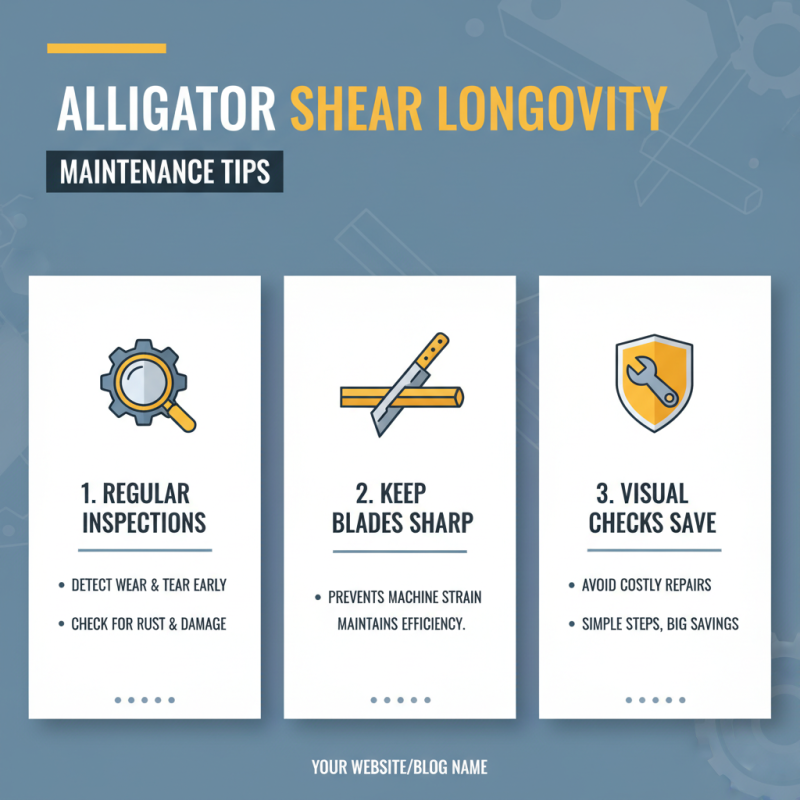
Maintaining alligator shear parts is crucial for their longevity. Regular inspections help detect wear and tear early. Check for rust or damage regularly. A simple visual inspection can save you from more significant problems. Keeping the blades sharp is essential. Dull blades strain the machine and reduce efficiency. It may seem easier to ignore this, but it leads to costly repairs.
Lubrication is vital. Use the right lubricant to prevent parts from sticking or wearing out quickly. Apply it to moving parts consistently. This may feel like a chore, but neglecting it can turn minor issues into major breakdowns. Dust and debris can accumulate. Regular cleaning helps maintain performance. Sometimes, it's easy to overlook cleaning, especially when busy.
Sometimes, operators forget the small things. Proper training can avoid misuse. Understanding how each part functions is essential. If parts are installed incorrectly, they may fail. Regular training sessions can instill good habits. These steps can feel tedious, but they are worth it in the long run. Ignoring basic maintenance will only lead to regrets later on.
Troubleshooting Common Issues in Alligator Shear Parts
When working with alligator shear parts, common issues can arise that disrupt operations. It's crucial to identify these problems early. For instance, dull blades can lead to poor cuts. Regularly inspect them for wear. If the cuts are uneven, it might be time to sharpen or replace the blades.
Another frequent problem is misalignment. If parts seem out of sync, check the settings and recalibrate as necessary. Loose bolts can also create misalignment. Tighten them regularly to avoid further issues. Ignoring these small fixes can lead to larger problems down the road.
Lubrication is key in maintaining alligator shear parts. Ensure that moving components are properly lubricated. Too little grease can cause friction, resulting in breakdowns. However, too much grease can attract debris, leading to more complications. Striking a balance is essential for smooth operation. Always keep an eye on your maintenance routine to prevent these common pitfalls.
Key Suppliers and Manufacturers of Alligator Shear Parts
When it comes to alligator shear parts, understanding key suppliers is crucial for successful operations. Several companies specialize in manufacturing essential components. They provide shear blades, hydraulic cylinders, and control systems. Each part plays a vital role in the functionality of the alligator shear. Without reliable parts, the efficiency of operations can dwindle.
Choosing the right supplier requires thorough research. It’s essential to compare quality and pricing. Many suppliers offer tailored solutions. Yet, not all meet industry standards consistently. Some parts may show wear and tear sooner than expected. This could lead to unplanned downtime. Regular audits of suppliers can help maintain quality and reliability. Engaging with industry professionals can provide insights into the best options available.
Establishing strong relationships with manufacturers can lead to better service. It often results in quicker response times for replacement parts. However, not every manufacturer will provide the same level of support. Communication is key to ensuring all needs are met. Reflecting on past experiences with suppliers can guide future decisions. A well-informed choice can dramatically enhance operational efficiency.